

Key Takeaways
What Is the RV Lifestyle, Really?
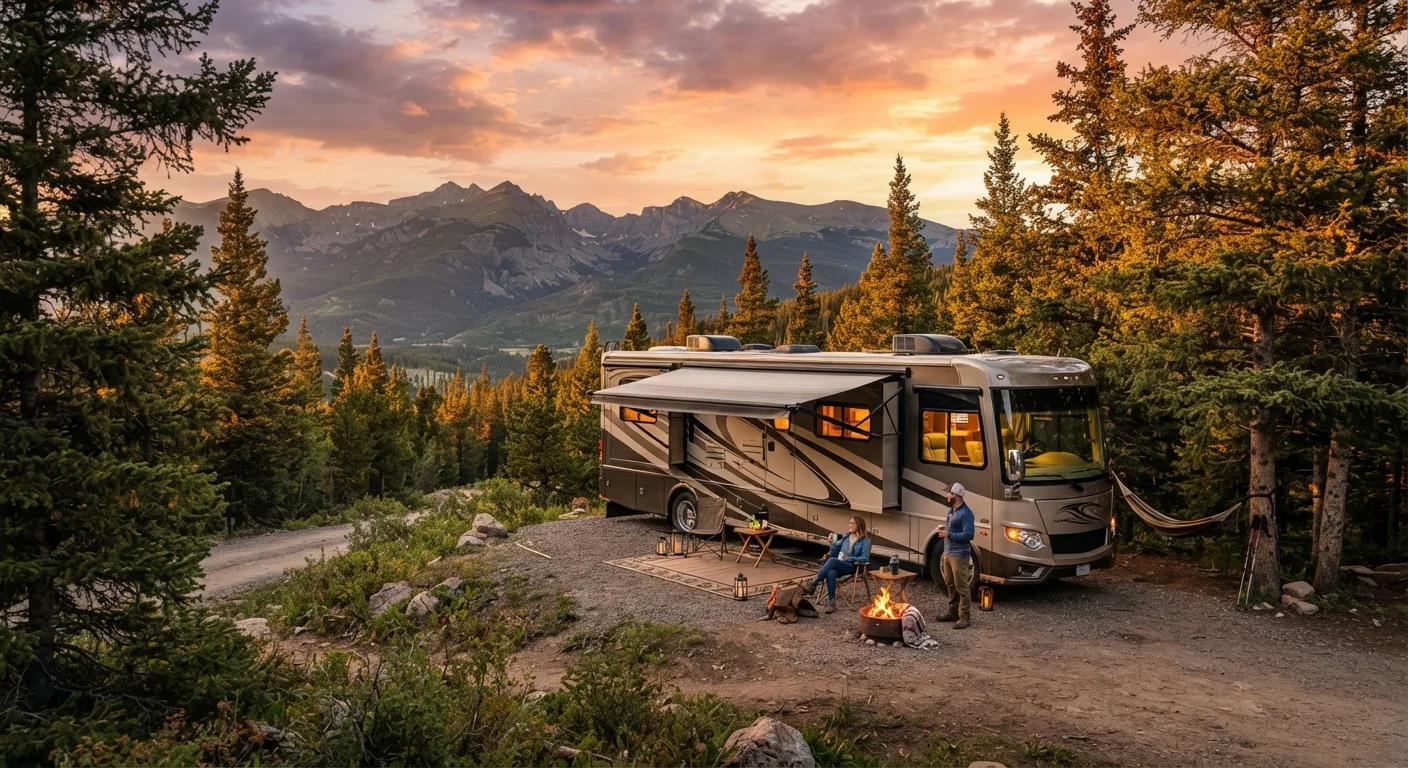
Recreational vehicles - RVs - are self-contained living spaces on wheels. They range from compact campervans barely larger than a cargo van to 45-foot diesel pusher motorhomes with full kitchens, slide-out rooms, and residential appliances. What they share is the ability to shelter, sleep, cook, and often bathe, without dependence on a fixed address.
For some people, RVing means annual family road trips or long weekend getaways. For others, it evolves into part-time travel - snowbirding south in winter and returning home in summer. A smaller but growing segment goes all in on full-time RV living, trading a traditional home for permanent mobility. None of these approaches is inherently superior - the right fit depends on your household's goals, finances, and tolerance for flexibility.
The RV industry has grown substantially over the past decade, with younger buyers and remote workers joining retirees as the core demographic. That shift has broadened the culture and expanded the infrastructure around it - more campgrounds, better connectivity options, and a deeper community of travelers willing to share hard-won knowledge.
Types of RVs: Understanding Your Options
RVs divide into two broad families: motorized (the engine is part of the unit) and towable (pulled by a separate vehicle). Each has meaningful subcategories.
Motorized RVs
- Class A: The largest and most recognizable motorhomes, built on bus or commercial truck chassis. Maximum living space, but also maximum cost and fuel consumption.
- Class B (Campervans): Built on full-size van platforms. Easiest to drive and park, lower cost, but limited interior room.
- Class C: A middle-ground option built on a cutaway truck chassis with a distinctive cab-over sleeping area. Popular for families.
Towable RVs
- Travel Trailers: The most common towable type. Wide range of sizes and price points; requires a tow vehicle with appropriate ratings.
- Fifth-Wheel Trailers: Attach to a specialized hitch in a pickup truck bed. Generally roomier than travel trailers and more stable on the highway.
- Toy Haulers: Trailers or motorhomes with a rear garage section for motorcycles, ATVs, or bikes.
- Pop-Up Campers and Teardrop Trailers: Lightweight, affordable entry points - good for beginners or occasional campers.
Before settling on a type, consider your tow vehicle's capacity, how often you plan to move, and how much living space you genuinely need. Our RV and camping glossary defines key specs - like dry weight, GVWR, and payload - that you'll encounter during the shopping process.
When evaluating RV types, prioritize your most common trip pattern over your most ambitious one. A rig that works perfectly for 40-night weekend trips will serve you far better than one sized for a single cross-country journey.
New owners frequently size up based on aspirational use cases, then find the larger vehicle impractical for the shorter, more frequent trips that make up the bulk of their actual travel.
Before finalizing any used RV purchase, invest in a professional pre-purchase inspection by a certified RV inspector - not just a dealership walk-through. Water damage and delamination can be hidden behind cosmetically clean interiors.
Water intrusion is the single most common and costly hidden defect in used RVs. Independent inspectors have no incentive to minimize findings, unlike sellers.
Costs to Expect: Beyond the Sticker Price
Purchase price is just the starting line. Prospective RV owners often underestimate the full cost picture, which includes:
- Fuel: Motorhomes average 6-12 miles per gallon depending on size and driving conditions. Fifth-wheels and large travel trailers impose measurable drag on tow vehicles.
- Insurance: RV-specific insurance is distinct from auto coverage and varies based on vehicle class, usage (recreational vs. full-time), and storage location.
- Campsite fees: Private RV parks can range from under $30 to well over $100 per night. Annual memberships, state park passes, and public land options can lower average nightly costs significantly.
- Maintenance and repairs: Roofs, seals, slide-out mechanisms, water systems, and 12-volt electrical components all require periodic attention. Budget a percentage of the vehicle's value annually.
- Storage: If you don't have property to store the RV, monthly storage fees apply - and covered or climate-controlled facilities cost more.
- Depreciation: Most RVs depreciate meaningfully in their early years, similar to vehicles generally.
11.2M
US households that own an RV
According to the RV Industry Association's research, roughly 11.2 million American households owned an RV as of recent industry surveys.
6-10%
Annual maintenance budget as share of RV value
Experienced RV owners and financial planning resources commonly suggest budgeting 6-10% of a rig's value annually for maintenance, repairs, and consumables.
9,000+
Private campgrounds across the United States
Industry estimates place the number of private RV parks and campgrounds in the US at well over 9,000, alongside thousands of additional public-land sites.
The most financially prepared RV owners treat the vehicle more like a boat than a car - ongoing costs are real, and deferred maintenance compounds quickly. Exploring the vehicle shopping process with the same rigor you'd apply to any major purchase will serve you well here.
Campgrounds and Where to Stay
One of the first practical questions new RVers face: where do you actually park the thing? Options fall into three main categories.
Private RV Parks and Resorts
These range from bare-bones sites with electric and water hookups to full-amenity resorts with swimming pools, Wi-Fi, laundry, and planned activities. Hookups - typically including 30- or 50-amp electric, water, and sewer connections - make life considerably more comfortable on extended stays.
State and National Parks
Public park campgrounds are often more scenic and less expensive than private parks, but sites fill quickly - especially during summer and holiday weekends. Many require advance reservations weeks or months out. Size restrictions also apply; some loops cannot accommodate rigs over 25-30 feet.
Dispersed Camping and Public Lands
The Bureau of Land Management (BLM) and U.S. Forest Service administer millions of acres where self-sufficient camping is permitted free of charge, subject to stay limits and local rules. This option suits RVers with solar, generator, or battery power who don't need hookups - often called boondocking or dry camping.
Start With a Campground Membership Trial
Many private campground networks offer short-term trial memberships that let you sample their sites before committing to an annual fee. Using a trial during your first season helps you evaluate whether the network's locations actually match where you want to travel - before paying full price.
Many experienced RVers mix all three categories depending on the season and destination, balancing cost savings on public land with occasional stays at well-equipped private parks for resupply and rest.
Driving and Safety Fundamentals
Operating a large motorhome or towing a trailer is genuinely different from driving a passenger car. Width, height, length, and weight all change how a vehicle handles, brakes, and navigates. New RVers commonly underestimate stopping distances, misjudge overhead clearances, and struggle with backing into campsites.
A few principles matter most for beginners:
- Know your rig's exact height, width, and length before departure - and have that information visible in the cab.
- Avoid GPS routing designed for passenger vehicles; use RV-specific navigation that filters out low bridges and weight-restricted roads.
- Practice maneuvering in an empty parking lot before your first trip.
- Increase following distance substantially - heavy rigs cannot stop like cars.
- If towing, understand trailer sway, proper weight distribution, and when a weight-distribution hitch or sway-control device is appropriate for your setup.
Our detailed guide on safe RV driving habits covers the techniques experienced travelers rely on, particularly for highway travel and tight campground entry.
Never Skip a Pre-Trip Walkaround
Before every departure, physically walk around the entire RV to confirm all compartment doors are latched, slides are fully retracted, awnings are secured, and tow connections (if applicable) are properly locked. Overlooking these checks is a leading cause of preventable on-road incidents for RV travelers of all experience levels.
Maintenance and Upkeep
RVs combine the mechanical complexity of a vehicle with the systems of a small home - plumbing, propane, 12-volt DC electrical, 120-volt AC electrical, roofing, and appliances. Each system requires periodic inspection and care.
High-Priority Maintenance Areas
- Roof and seals: RV roofs - whether rubber (EPDM or TPO), fiberglass, or aluminum - must be inspected at least twice a year and after severe weather. Failed seals admit water, which causes structural damage quickly.
- Tires: RV tires age even when not heavily used. Check age codes, maintain proper inflation, and replace tires that show cracking or are beyond the manufacturer's recommended service life regardless of tread depth.
- Battery system: House batteries power lights, slides, and 12-volt systems when not connected to shore power. Proper charging habits extend battery life significantly.
- Black and gray tanks: Waste management is a routine but essential part of RV ownership. Learn correct dump station procedures and tank treatment before your first trip.
- Propane system: Annual inspection by a qualified technician is advisable. Never ignore the smell of propane.
For tasks beyond routine cleaning and inspection - particularly propane work, structural repairs, or complex electrical troubleshooting - qualified RV service technicians should be engaged. Attempting repairs outside your skill level can create safety hazards or void warranties.
Is the RV Lifestyle Right for You?
Honest self-assessment matters more here than enthusiasm. The RV lifestyle delivers genuine freedom and memorable experiences - but it also demands adaptability, mechanical patience, and realistic budgeting.
Before committing to ownership, strongly consider renting first. A rental trip of a week or two in the type of rig you're considering will reveal preferences and pain points no amount of research can replicate. Our guide to renting an RV for the first time explains what to inspect, what to ask, and what first-time renters commonly overlook.
Consider also how you travel. If you prefer moving frequently - a new location every one or two days - fuel and wear costs add up fast. If you're drawn to settling in one place for weeks at a time, the economics shift considerably in your favor. Solo travelers, couples, and families each navigate the space differently, and thinking through your specific patterns before shopping pays dividends.
The community dimension is real and valuable. RV forums, campground neighbors, and regional rally events provide a social fabric that many owners describe as one of the lifestyle's most rewarding surprises. Engaging that community early - even before you own a rig - is one of the smartest first steps you can take.
This article provides general information about RV ownership and the recreational vehicle lifestyle. It is not financial, legal, or safety advice. Vehicle specifications, costs, regulations, and campground policies vary and may change. Always verify current information with official sources and consult qualified professionals for decisions involving significant financial commitments or vehicle safety.