

Key Takeaways
Annual Wellness Exam
An annual wellness exam is a scheduled, head-to-tail physical checkup performed by a licensed veterinarian on a healthy pet — typically once a year for adults, more often for seniors or young animals. It covers the pet's overall condition, weight, organ function, dental health, parasite status, and vaccination needs. The goal is prevention and early detection, not treatment of a specific illness.
Veterinarians refer to these as 'preventive care visits' or 'wellness examinations'; they are distinct from 'sick visits' (problem-specific appointments) and are billed differently in most practices.
What Happens During a Routine Wellness Exam
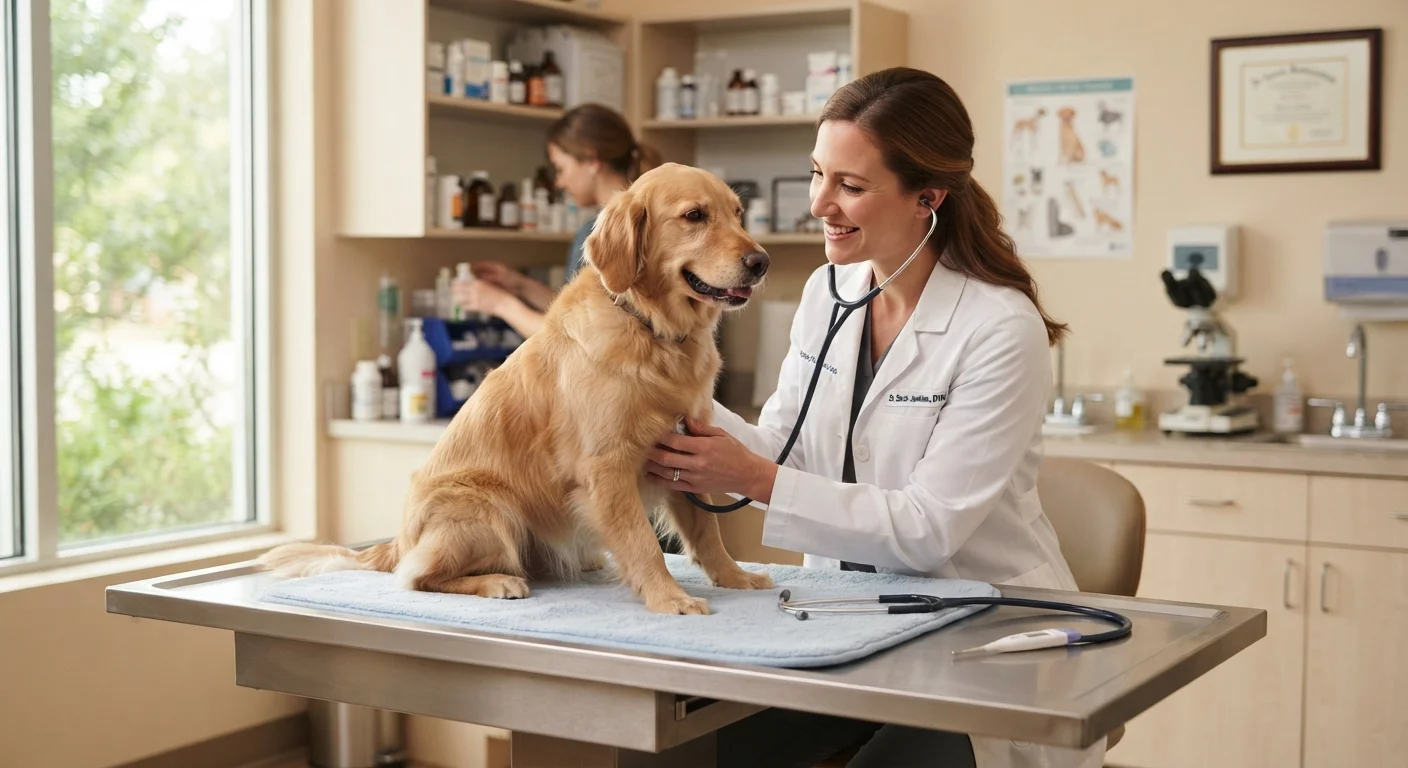
From the moment your pet steps on the scale, the annual wellness exam has begun. Weight is recorded and compared against prior visits — even gradual changes matter. A veterinarian then works through a methodical physical assessment that typically includes:
- Eyes and ears: Checked for discharge, redness, signs of infection, or early cataracts.
- Mouth and teeth: Gum color, tartar buildup, tooth fractures, and early periodontal disease are evaluated. Dental disease is one of the most common — and most overlooked — conditions in pets.
- Heart and lungs: A stethoscope check listens for murmurs, arrhythmias, or abnormal breath sounds.
- Abdomen: Gentle palpation can reveal organ enlargement, pain responses, or unusual masses.
- Skin, coat, and lymph nodes: Signs of allergies, parasites, or swollen lymph nodes are noted.
- Musculoskeletal: Gait, joint flexibility, and muscle tone are assessed, particularly in older animals.
The exam typically takes 20–30 minutes. What looks routine on the surface is actually a systematic screen for dozens of potential conditions — most of which show no outward symptoms in early stages.
Make the Most of Every Visit
Before your appointment, spend a few days noting anything unusual — changes in thirst, sleep, appetite, energy, or elimination habits. Even observations that seem minor can give your vet critical context. Bring a written list so nothing gets forgotten in the moment.
What Vets Are Screening For — and Why It Matters Early
Annual exams are fundamentally about early detection. Conditions like kidney disease, heart disease, thyroid dysfunction, and certain cancers often develop silently for months or years before a pet shows obvious signs. By the time symptoms are visible, treatment options may be more limited and outcomes less predictable.
This is why preventive care — including wellness exams — is considered a cornerstone of responsible pet ownership, not a luxury. A vet tracking your pet's health over multiple visits builds a longitudinal picture that a single emergency visit can never replicate.
1 in 3
Pets diagnosed with a condition at a routine exam
The American Veterinary Medical Association notes that many conditions are identified during wellness visits in pets showing no outward symptoms.
70%+
Dogs and cats over 3 with some dental disease
Veterinary dental specialists estimate that the majority of adult pets have some degree of periodontal disease by age three, most of which is first identified during routine exams.
2x/year
Recommended exam frequency for senior pets
Most veterinary guidelines recommend biannual wellness visits for pets considered senior — typically those over seven or eight years old — due to the faster progression of age-related conditions.
Vaccination review is also part of every annual exam. Core vaccines are reassessed against your pet's age, lifestyle, and risk factors. For a full breakdown of timing and booster schedules, see the vaccination schedule explained.
Parasite prevention — including heartworm, fleas, and ticks — is another regular agenda item. Protocols may be adjusted seasonally or based on recent travel. Learn more about year-round parasite prevention and why it's an ongoing commitment.
How Exam Frequency Changes With Age and Life Stage
The once-a-year guideline applies most directly to healthy adult pets. The schedule shifts at both ends of the age spectrum.
Puppies and kittens require a series of wellness visits in their first four to six months — typically every three to four weeks — to complete their initial vaccine series, monitor development, and address early behavioral or nutritional questions.
Senior pets (generally dogs and cats over seven or eight years old, though this varies by species and size) benefit from biannual visits. Age accelerates many disease processes, and six months can represent a significant change in a senior animal's health status. Senior pet care involves expanded screening, including bloodwork that isn't always standard for younger animals.
Size and Breed Affect Senior Thresholds
Large and giant dog breeds tend to age faster than small breeds, meaning a Great Dane may be considered senior at six or seven, while a Chihuahua may not reach that threshold until nine or ten. Ask your veterinarian what senior screening schedule makes sense for your specific pet's species, breed, and size.
Weight management is another dimension that evolves with age. Body condition scoring — a hands-on assessment of fat coverage — is part of every exam, and it often prompts dietary guidance. For a deeper look at what the numbers mean, see healthy weight management for pets.
It's worth noting that annual wellness visits serve a distinctly different purpose than sick visits. If you're unsure which type of appointment your pet needs, understanding the difference between wellness and sick visits can help clarify. For signs that shouldn't wait for a scheduled appointment at all, see when symptoms are emergencies.
This article provides general educational information about pet wellness exams and is not a substitute for professional veterinary advice. Always consult a licensed veterinarian for guidance specific to your pet's health needs.