

Key Takeaways
Periodontal Disease in Pets
Periodontal disease is an infection and inflammation of the structures surrounding a pet's teeth—including the gums, ligaments, and bone. It begins with plaque buildup and progresses to tartar, gum recession, and eventually tooth loss if left untreated. It is the most commonly diagnosed health condition in adult dogs and cats.
The disease is staged from Grade 1 (gingivitis only, reversible) through Grade 4 (severe bone loss and tooth destruction), with Grades 2–4 considered true periodontitis requiring professional intervention.
Why Pet Dental Health Gets Ignored
Most pet owners are diligent about vaccinations, parasite prevention, and annual wellness visits—yet dental care rarely makes the routine. It's easy to understand why: teeth don't itch, a dog won't limp because of early gum disease, and cats are famously stoic about discomfort. By the time an owner notices something is wrong, the disease has often been progressing for months or years.
This pattern mirrors a broader challenge in preventive health. Just as people delay dental appointments until something hurts, pet dental disease tends to be addressed only once it becomes obvious—frequently too late to avoid significant damage. See how similar gaps appear in human preventive care routines for a broader perspective on why critical health steps get skipped.
Veterinary organizations consistently flag dental disease as one of the most underreported and undertreated conditions in companion animals. The barrier isn't information—it's that the consequences are invisible until they aren't.
Start Brushing Before Your Pet Resists It
The earlier you introduce tooth brushing, the more likely your pet is to accept it as a normal part of their routine. For puppies and kittens, begin with finger touches along the gums and gradually introduce a soft brush. Even short sessions several times per week make a measurable difference in plaque control.
What's Actually Happening Inside Your Pet's Mouth
The process starts simply: bacteria in the mouth combine with food debris to form plaque, a sticky film that coats the teeth. Without removal, plaque mineralizes into tartar (also called calculus) within days. Tartar accumulates along and beneath the gumline, creating an environment where bacteria thrive and the immune system responds with inflammation—this is gingivitis.
Left unaddressed, inflammation progresses to true periodontitis: the gum pulls away from the tooth, pockets form, supporting bone is resorbed, and teeth become loose. In advanced cases, pets may develop jaw fractures, abscesses, or nasal infections from roots that erode through the bone separating the mouth from the nasal cavity.
The consequences can extend beyond the mouth. Bacteria from infected gum tissue can enter the bloodstream. Veterinary research has identified associations between severe periodontal disease and damage to the kidneys, liver, and heart—though the strength of this relationship continues to be studied. What's clear is that an unhealthy mouth is not an isolated problem.
Dental Disease Can Be Silent for Years
Because pets instinctively conceal discomfort—an evolutionary holdover from avoiding appearing vulnerable—owners frequently have no idea their animal is in pain. A pet continuing to eat, play, and behave normally is not confirmation of a healthy mouth. Only a hands-on veterinary exam, ideally with dental X-rays, can reveal what's happening below the gumline.
Signs Owners Often Miss
Because pets rarely stop eating until pain is severe, behavioral signals are easy to dismiss. Common signs of dental disease include:
- Persistent bad breath — the single most common early indicator
- Yellow or brown deposits on teeth, especially near the gumline
- Red, swollen, or bleeding gums
- Dropping food, chewing on one side, or reluctance to chew hard items
- Pawing at the mouth or rubbing the face
- Increased drooling or saliva with blood
Cats are especially difficult to read—they often continue normal behavior even with significant oral pain. For both dogs and cats, a routine wellness exam should always include a visual dental assessment, which is why regular vet visits remain so important.
~80%
Dogs showing dental disease signs by age 3
Veterinary dental guidelines note that the majority of dogs exhibit some form of periodontal disease by their third year of life.
~70%
Cats affected by dental disease by age 3
Estimates from veterinary dental literature suggest most cats have measurable periodontal disease by the time they reach early adulthood.
Grade 1–4
Standardized stages of periodontal disease
The American Veterinary Dental College uses a four-stage grading system; only Grade 1 (gingivitis) is considered fully reversible with treatment.
Prevention: What Actually Works at Home
Home dental care cannot reverse existing disease, but it is the most powerful tool for slowing plaque accumulation between professional cleanings. The options, roughly ranked by effectiveness:
- Tooth brushing — daily brushing with a pet-specific toothpaste remains the gold standard. The mechanical action of the brush disrupts plaque before it hardens. Human toothpaste must never be used, as ingredients like xylitol are toxic to pets. (See common foods and substances that are dangerous to pets.)
- Dental chews and diets — products carrying the Veterinary Oral Health Council (VOHC) seal have been independently tested for plaque or tartar reduction. These are supplements to brushing, not replacements.
- Water additives and oral rinses — some VOHC-accepted formulations provide modest benefit and may suit pets resistant to brushing.
Starting these habits early makes a significant difference. If you are in the first months of pet ownership, dental care should be part of the health roadmap from the beginning—see our guide to your pet's first year for a practical starting point.
When Professional Cleaning Is Necessary
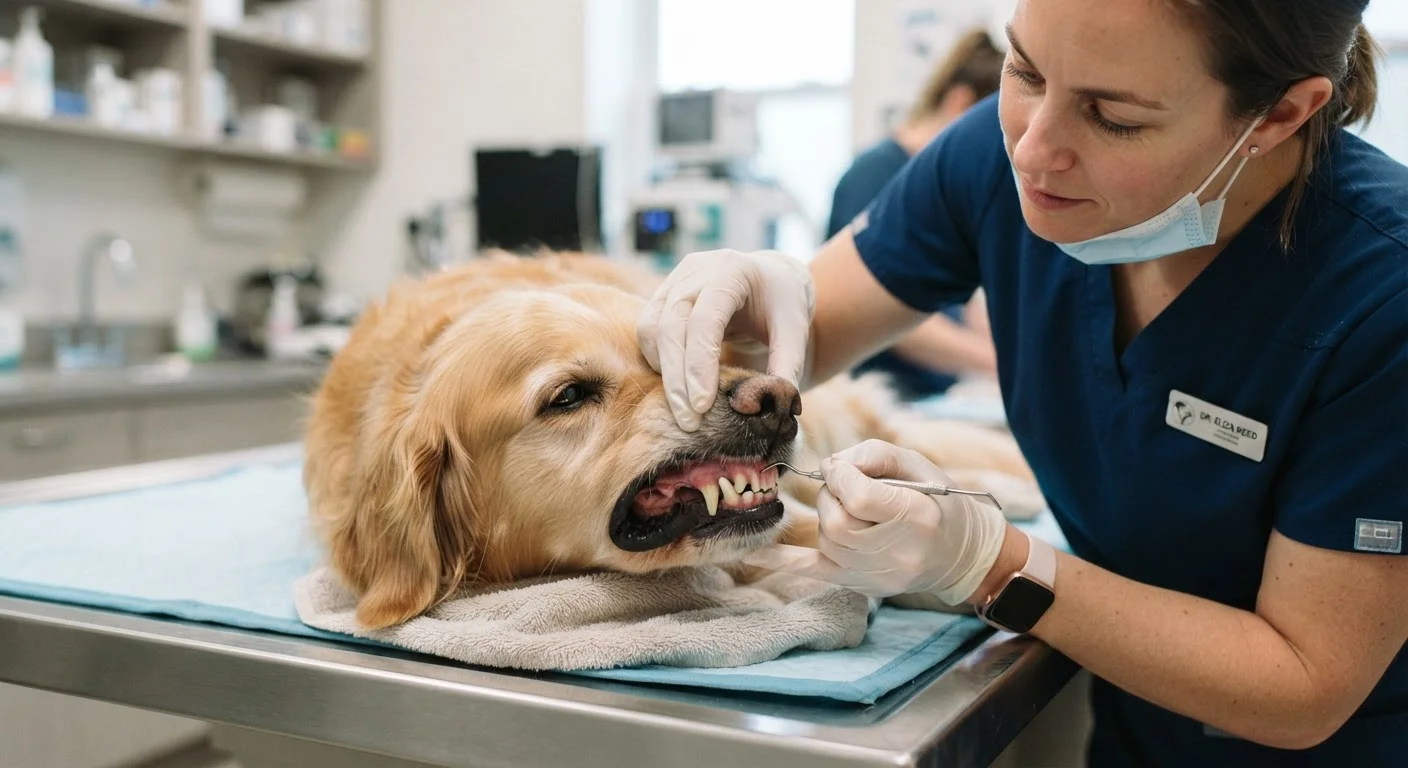
No amount of brushing removes tartar once it has formed below the gumline. Professional dental cleaning under general anesthesia is the only way to fully assess and treat periodontal disease. During the procedure, veterinarians use ultrasonic scalers, probe each tooth for pocket depth, and take dental X-rays to evaluate bone levels—all of which require the pet to be still and comfortable.
The American Veterinary Dental College does not endorse non-anesthetic dental scaling (often marketed as "anesthesia-free dentistry") as a substitute because it cannot safely reach subgingival surfaces or allow proper examination. While anesthesia carries some risk in all patients, veterinary teams routinely conduct pre-anesthetic bloodwork and monitoring to minimize that risk.
How often a professional cleaning is needed varies by individual—some pets may need annual cleanings, others less frequently. As pets age, this need typically increases. Senior pets often require more frequent dental attention as immune response slows and cumulative disease load increases.
This article provides general educational information about pet dental health and is not a substitute for professional veterinary advice. Always consult a licensed veterinarian for guidance specific to your pet's health needs.