

Autos

Questions Worth Asking Before a Used Car Test Drive

Share
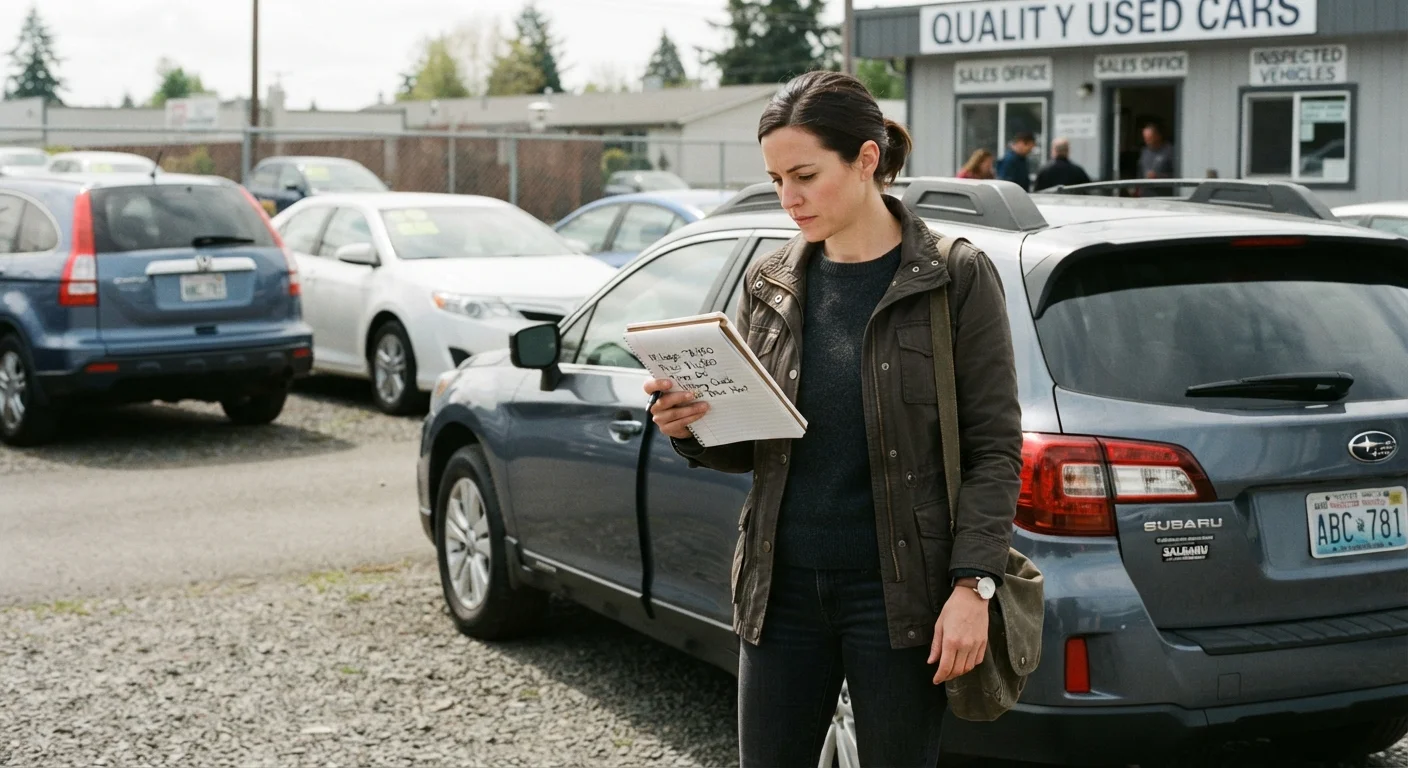
Person with notepad reviewing notes beside a used car before a test drive

Key Takeaways

Asking the right questions before a test drive saves time and prevents costly surprises later.
Vehicle history, ownership records, and maintenance documentation reveal far more than a visual inspection alone.
A seller who can't or won't answer basic questions is itself important information.
The test drive is more productive when you already understand the car's background.
Pre-drive questions complement — but don't replace — a professional pre-purchase inspection.
15–30 min

Summary

18 items · 15–30 minutes

Why the Conversation Matters Before the Drive

Most buyers treat the test drive as the first real step in evaluating a used car. In reality, the most revealing information often surfaces in the minutes before you reach for the door handle. The questions you ask — and the answers you receive — can save you hours of wasted time or steer you away from a vehicle hiding serious problems.

This checklist is designed for use whether you're meeting a private seller or visiting a dealership lot. It covers the ground that matters most: ownership history, maintenance habits, known issues, and the paperwork trail that separates a transparent transaction from a risky one. For a broader look at where this step fits in the full process, see The Full Vehicle Buying Journey, Explained.

Ownership and History

Ask how many owners the vehicle has had and request documentation or a vehicle history report to verify the answer. Must
Find out how long the current seller has owned the vehicle and why they are selling it now. Must
Ask whether the title is clean, salvage, rebuilt, or branded in any other way — and request to see the physical title. Must
Confirm whether the vehicle has ever been declared a total loss by an insurance company. Must

Maintenance and Service Records

Ask whether the seller has service records and request to review them before or during your visit. Must
Inquire about the vehicle's oil change history and which type of oil has been used. Should
Ask when major maintenance items — such as timing belt or chain, brakes, and tires — were last serviced or replaced. Must
Find out whether a dealership, independent shop, or the owner performed most of the maintenance. Should

Known Issues and Prior Damage

Ask directly whether the vehicle has any known mechanical problems, warning lights, or issues the seller is aware of. Must
Ask whether the car has been in any accidents, even minor ones, and whether any bodywork or repainting was done afterward. Must
Inquire whether the vehicle has ever had flood, fire, or hail damage. Must
Ask whether any modifications or aftermarket parts have been installed, and whether original components are still available. Should

Practical and Logistical Questions

Confirm that the seller is the legal owner and authorized to sell the vehicle — this is especially important in private-party transactions. Must
Ask whether the vehicle is currently registered and insured, which confirms it is drivable and legally operable. Should
Find out whether there are any outstanding loans or liens on the vehicle that would need to be satisfied before title transfer. Must
Ask whether the vehicle has passed its most recent emissions or safety inspection, and request to see the documentation. Should
Inquire about the vehicle's storage history — whether it has been kept in a garage, outdoors, or in a climate where road salt is used. Nice to have
Ask whether the seller would be open to a third-party pre-purchase inspection before any offer is finalized. Should

What to Do With the Answers You Get

A seller's responses tell you two things: what they know about the vehicle, and how willing they are to be transparent. Hesitation on basic questions — or an inability to produce maintenance records — isn't always a dealbreaker, but it should factor into how carefully you proceed.

A Reluctant Seller Is a Signal

If a seller avoids, deflects, or becomes defensive when answering basic questions about ownership history, maintenance, or prior damage, treat that response as data. Transparency is reasonable to expect in any legitimate used-car transaction. A seller who cannot produce a title or explain a gap in the service record deserves follow-up questions — not a quick pass.

If a vehicle passes your pre-drive questions and the test drive goes well, the logical next step is a professional mechanical inspection by a qualified technician. This is especially true for higher-mileage vehicles or any car you're seriously considering purchasing. For more on that process, see why pre-purchase inspections matter more than most buyers realize.

Buyers interested in older or collector vehicles should also consider whether additional authentication steps apply. The pre-purchase inspection checklist for classic cars covers issues unique to vintage vehicles, including documentation of originality and restoration history. And if you're still deciding between vehicle types, understanding the differences between new, used, and certified pre-owned vehicles can help clarify which market fits your needs.

Don't Skip the Paper Trail

Verbal assurances about a vehicle's condition carry no legal weight after a private sale is finalized. Wherever possible, get documentation in writing — including any representations the seller makes about known defects or recent repairs. In many states, private used-car sales are treated as "as-is" transactions, meaning the buyer assumes responsibility for defects discovered after purchase.

Autos Editorial Team is the collective byline for our editorial team and contributor network. Articles published under this byline or an editorial pen name are researched, written, and reviewed according to our editorial standards for clarity, consistency, and independence before publication.

View all articles by Autos Editorial Team →
Disclaimer: The content on this site is for informational purposes only and is not a substitute for professional advice. Always consult a qualified professional for guidance specific to your situation.