

Key Takeaways
Pre-Purchase Inspection (PPI)
A pre-purchase inspection is an independent mechanical evaluation of a used vehicle conducted by a qualified mechanic before the sale is finalized. The inspector examines the car's mechanical systems, structural condition, and overall integrity - separate from any assessment the seller may have provided. The goal is to give the buyer an objective picture of what they're actually purchasing.
A PPI differs from a dealer's own inspection or a certified pre-owned (CPO) review in that it is performed by a mechanic chosen and paid by the prospective buyer, ensuring no conflict of interest with the sale.
What a Pre-Purchase Inspection Actually Involves
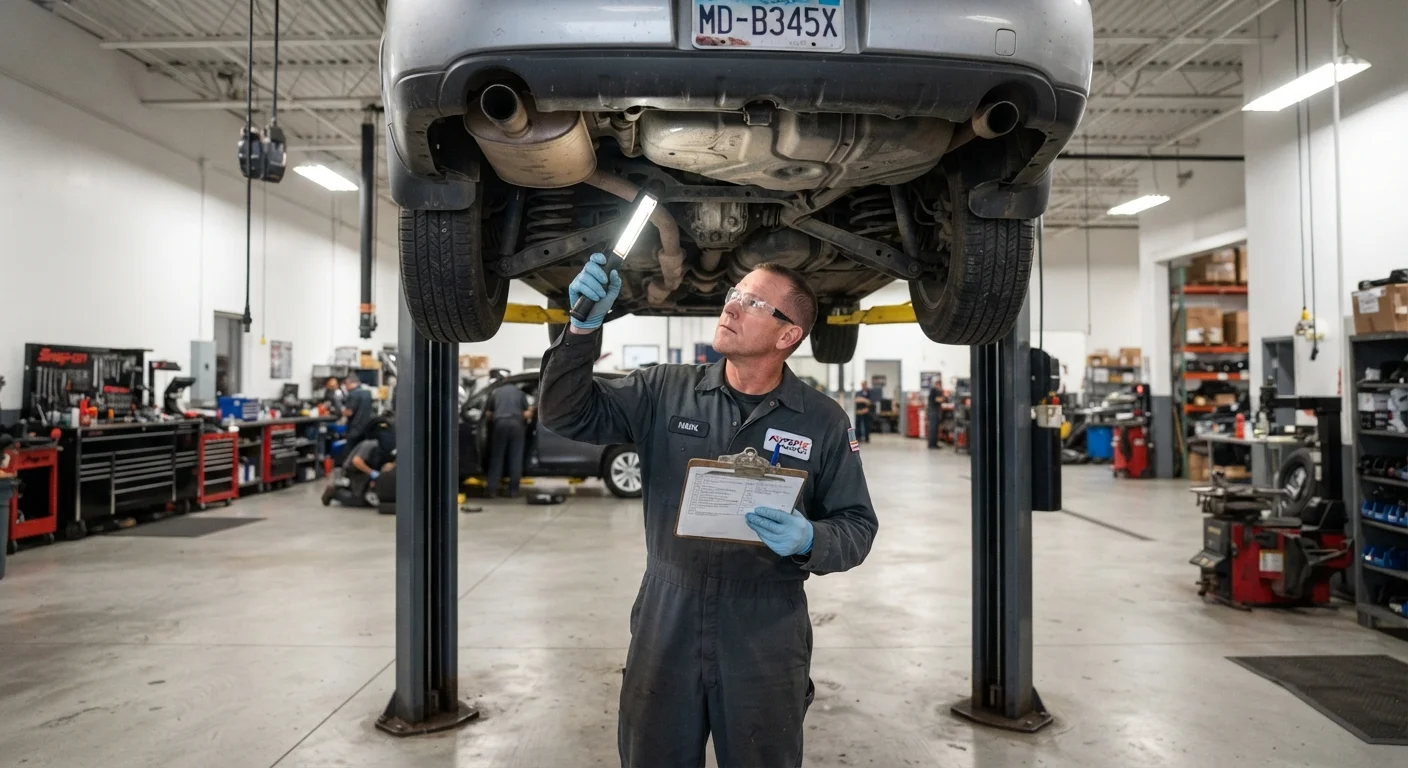
A pre-purchase inspection is not a quick visual once-over. A thorough PPI typically takes one to two hours and involves a systematic review of the vehicle's major systems. A qualified mechanic will examine the engine, transmission, brakes, suspension, steering, exhaust, cooling system, and electrical components. They'll also put the car on a lift to inspect the undercarriage for rust, frame damage, and fluid leaks - areas that are essentially invisible during a normal test drive or parking-lot walkthrough.
Most inspections also include a check of the tires for uneven wear patterns that can indicate alignment or suspension problems, as well as a scan of the vehicle's onboard diagnostic system for stored fault codes. Some mechanics will road-test the car as part of their evaluation.
At the end, you receive a written report documenting findings, often with photos. That report is yours to keep - and to use. See our pre-purchase inspection checklist for a detailed breakdown of what a thorough evaluation should cover.
Choose Your Own Mechanic
Always use a shop you find independently - not one suggested by the seller or dealership. The inspector works for you, and their findings should reflect that independence. AAA-approved facilities, established independent shops with strong reviews, and dealerships that don't sell the make being inspected are all reasonable options.
What Inspections Commonly Uncover
The value of a PPI is most obvious in what it surfaces. Common findings include deferred maintenance (worn belts, low or contaminated fluids, aging brake pads), hidden accident damage that wasn't disclosed or doesn't appear on a history report, rust or corrosion on the frame and subframe, and oil leaks that haven't yet created visible symptoms inside the cabin.
More serious discoveries - cracked engine blocks, failing transmissions, bent frames from unreported collisions - do occur, and they represent exactly the kind of costly surprises a PPI is designed to prevent. Even seemingly minor findings like worn control arm bushings or a failing CV axle can translate to several hundred dollars in shop labor once you own the vehicle.
$5,500+
Average cost of a major undisclosed used-car repair
Industry repair data consistently shows that transmission replacements, engine repairs, and frame work - problems a PPI can surface - regularly exceed this threshold when addressed post-purchase.
$100-$200
Typical pre-purchase inspection fee
Most independent mechanics charge within this range for a standard used-vehicle inspection, making the cost-to-protection ratio highly favorable for buyers.
For buyers considering older or collector vehicles, the stakes are even higher. Decades-old cars can hide rust, non-original parts, and deferred structural repairs that aren't obvious to untrained eyes. Our guide on pre-purchase inspection for a classic car covers the additional considerations that apply to vintage vehicles specifically.
How to Arrange an Inspection - and What to Watch For
Arranging a PPI is straightforward. Find an independent shop - not one affiliated with the dealership selling the car - and call ahead to confirm they perform pre-purchase inspections and ask about their process and fees. If the vehicle can't easily be driven to a shop, mobile mechanic services that come to the car's location are a practical alternative.
When you contact the seller to arrange the inspection, how they respond matters. Cooperative sellers who understand the process and allow reasonable access to the vehicle are a positive sign. Hesitation, excuses about timing, or outright refusal are worth taking seriously.
Timing the Inspection Correctly
A PPI should happen after you've agreed on a tentative price but before you sign any paperwork or hand over a deposit. This sequence protects you: you've signaled real interest to the seller, but you haven't committed funds that could be difficult to recover if the inspection reveals problems. Some buyers negotiate a short window - typically 24 to 48 hours - to complete the inspection as a condition of moving forward.
It's also worth thinking about where the PPI fits in the broader buying process. Ideally, you'll have already reviewed a vehicle history report, asked the right questions about ownership and service history, and completed a test drive before commissioning a paid inspection. Our article on questions worth asking before a used car test drive outlines the groundwork that belongs before you get behind the wheel. If you're still weighing whether a used vehicle, CPO, or new car makes sense for your situation, understanding the real differences between those options is a useful starting point.
The Real Cost of Skipping the Inspection
The most common reason buyers skip a PPI is confidence - in the seller, in their own visual assessment, or in the car's appearance on a test drive. All of those are understandable instincts, and all of them fall short of what a trained mechanic can see on a lift with diagnostic tools in hand.
A used vehicle priced at $15,000 with $4,000 in undisclosed mechanical problems is not a $15,000 purchase - it's a $19,000 one. An inspection fee of $100 to $200 is cheap insurance against that outcome. And when an inspection does turn up problems, the written report becomes a negotiating tool that can bring the purchase price down or prompt the seller to make repairs before closing.
The broader landscape of vehicle maintenance and service makes clear that cars require consistent investment over time. A PPI doesn't eliminate that reality, but it does ensure you're starting from an honest baseline - not inheriting someone else's neglected repairs the moment you drive off the lot.
“The purpose of a pre-purchase inspection is to make sure the buyer knows exactly what they're getting into before money changes hands. A car that looks great on the outside can have serious mechanical issues that only become apparent once someone puts it on a lift.”
— Consumer Vehicle Protection Advocate, Automotive consumer education consultant