

Key Takeaways
Sinking Fund
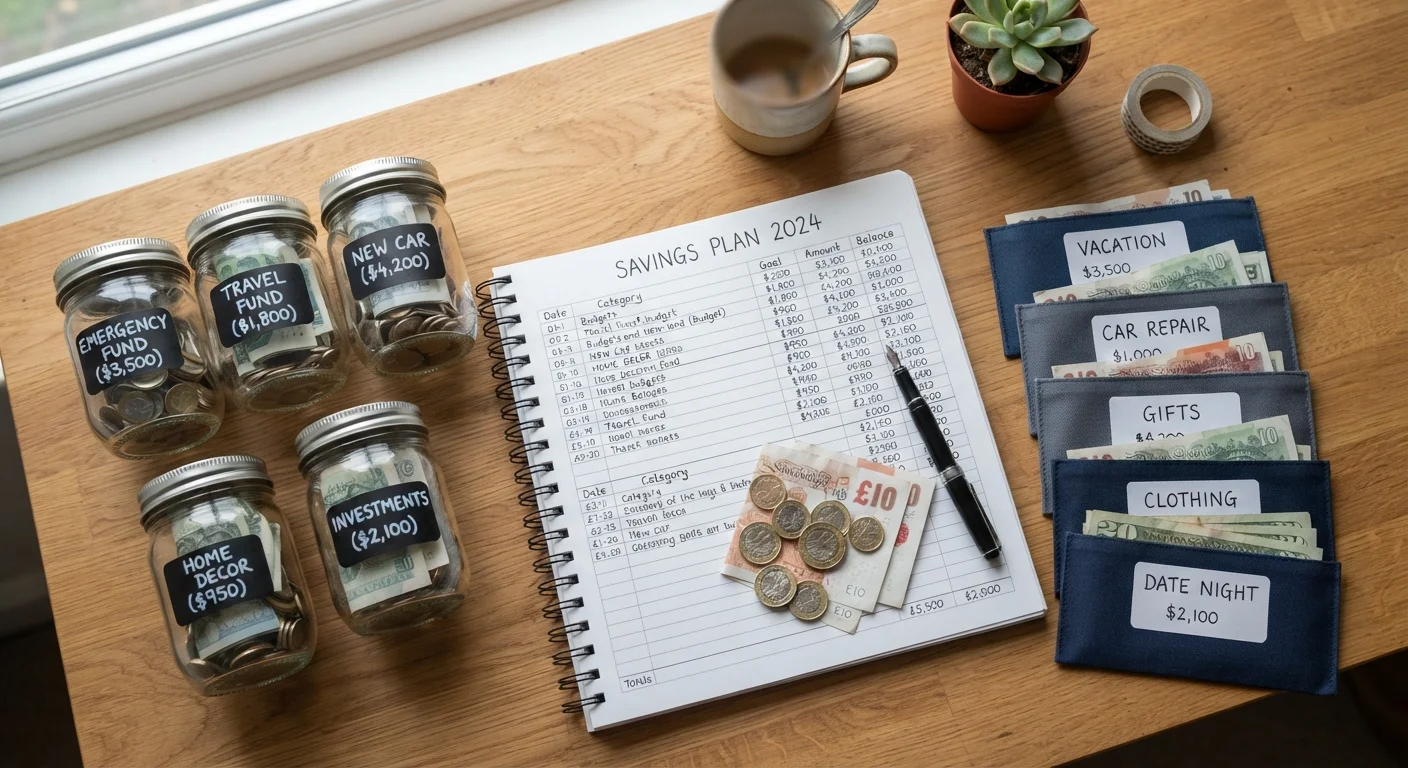
A sinking fund is a dedicated savings pool you build gradually over time to cover a specific, known future expense. Instead of scrambling for cash when a bill arrives, you set aside a fixed amount each month until the money is ready. The goal is simple: make predictable costs truly predictable in your budget.
In personal finance, sinking funds are distinct from emergency funds - they target known expenses with approximate price tags, while emergency funds cover unexpected, unplanned events.
Why Predictable Expenses Still Catch People Off Guard
The holiday season arrives every December. Car registration is due every year. The family dog needs an annual checkup. None of these are surprises - yet millions of Americans put them on a credit card because the cash isn't there when the bill arrives.
The problem isn't that people don't know these costs are coming. It's that standard monthly budgets are built around recurring monthly bills, leaving annual or irregular expenses with no dedicated funding plan. When those costs hit, they feel like emergencies even though they aren't. That's exactly the gap a sinking fund fills.
Sinking Funds Fit Into a Broader Budget Plan
Sinking funds work best as one piece of a larger budgeting strategy. For a broader foundation, the budgeting basics hub covers how to track spending and structure a complete personal budget. If you're managing both savings goals and debt repayment, see how to manage both goals at once.
How a Sinking Fund Actually Works
The mechanics are straightforward. You identify a future expense, estimate its total cost, then divide that figure by the number of months before you'll need the money. That monthly amount becomes a line item in your budget - not optional, not variable.
For example, if your car's annual registration and inspection cost roughly $300 and you have 10 months before it's due, you set aside $30 a month. When the bill arrives, you pay it from your sinking fund without touching your emergency savings or reaching for a credit card.
40%
Americans who can't cover a $400 emergency
According to Federal Reserve surveys on household economics, a significant share of U.S. adults would struggle to cover a modest unexpected expense without borrowing.
$1,200+
Average annual vehicle maintenance cost
Industry estimates suggest average car owners spend over $1,200 per year on maintenance and repairs - a predictable cost that still catches many budgets unprepared.
You can run multiple sinking funds at once - each for a different category. Common ones include vehicle maintenance, home repairs, medical out-of-pocket costs, annual insurance premiums, and holiday spending. The key is that each fund has a clear, named purpose, which makes it easier to leave the money alone until it's needed.
Sinking Funds vs. Emergency Funds: An Important Distinction
These two tools are often confused, but they serve different functions. An emergency fund is your financial safety net for genuinely unpredictable events - unexpected job loss, a sudden medical crisis, or a major appliance failure with no warning. Withdrawing from it should feel like a last resort.
A sinking fund, by contrast, is a planned drawdown account. You build it knowing you'll spend it. There's no crisis - just a scheduled payment met with prepared cash. Conflating the two leads to either draining your emergency reserve for foreseeable costs or, more commonly, skipping a savings plan altogether because the emergency fund feels like it should cover everything.
Keep Sinking Funds Physically Separate
Storing sinking fund money in the same account as your everyday checking makes it easy to spend unintentionally. A dedicated savings account - even one at a different bank - adds a small but meaningful barrier that protects funds for their intended purpose.
Setting Up a Sinking Fund Without Overcomplicating It
Getting started takes three steps. First, list every irregular or annual expense you've faced in the last 12 months - review bank statements if you're unsure. Second, estimate each cost and divide by the months remaining before it recurs. Third, open a savings account (or label a sub-account if your bank allows it) and set up an automatic transfer on payday.
If your budget is already stretched, the practical approaches for saving on a tight budget may help you find room. Even redirecting $15 or $20 a month into a named category creates a buffer that didn't exist before. For those actively paying down debt, a sinking fund for expected costs protects your payoff momentum - you won't need to take on new debt every time something predictable comes up. The framework for balancing debt payoff and saving can help you decide how much to allocate to each goal at once.