

Key Takeaways
Blood Pressure Reading
A blood pressure reading is a measure of the force your blood exerts against the walls of your arteries. It is expressed as two numbers: the top number (systolic) captures the pressure when your heart beats, and the bottom number (diastolic) captures the pressure when your heart rests between beats. Together, they give clinicians a snapshot of how hard your heart and arteries are working.
Blood pressure is measured in millimeters of mercury (mmHg). Clinical guidelines from organizations such as the American Heart Association classify readings into categories ranging from normal to hypertensive crisis.
Two Numbers, One Picture
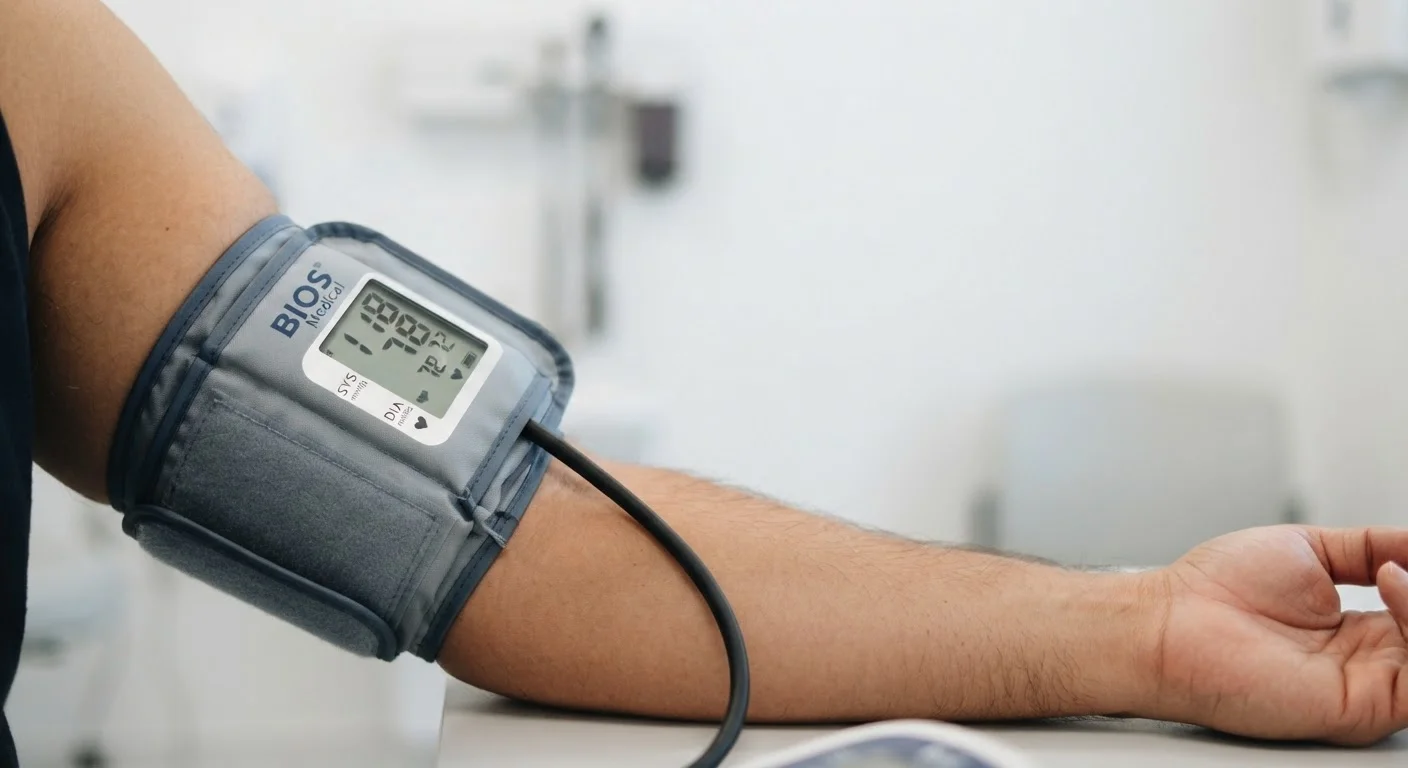
When a clinician wraps a cuff around your arm, you receive two figures separated by a slash - for example, 118/76. Most people vaguely know the first number should be "low," but understanding what each figure actually measures changes how you engage with your own health data.
The systolic number (top) records the peak pressure inside your arteries at the moment your heart contracts and pushes blood out. The diastolic number (bottom) records the pressure that remains when your heart relaxes and refills between beats. Think of a garden hose: systolic is the pressure when you squeeze the handle; diastolic is the residual pressure when you let go.
Neither number tells the whole story alone. A physician evaluating cardiovascular risk weighs both figures together, alongside age, family history, and other markers like cholesterol. For a deeper look at how those companion markers are interpreted, see our guide to cholesterol screening.
47%
U.S. adults with hypertension
According to the American Heart Association, nearly half of American adults meet the clinical definition of high blood pressure under current guidelines.
1 in 5
Adults unaware they have hypertension
The CDC estimates that a significant proportion of people with high blood pressure do not know they have it, reinforcing why it is called the 'silent condition.'
5-10 mmHg
Typical white coat effect elevation
Research published in hypertension literature suggests clinical-setting anxiety can temporarily raise systolic readings by roughly 5 to 10 mmHg or more in susceptible individuals.
Why One Reading Can Mislead You
Blood pressure is not a fixed value - it fluctuates constantly throughout the day in response to movement, posture, hydration, caffeine, sleep quality, and emotional state. A single measurement is a data point, not a diagnosis.
White coat hypertension is among the most common sources of misinterpretation. The mild anxiety many people experience during a clinic visit - even when they feel calm - can push readings 10-20 mmHg above their true resting baseline. Conversely, some people show normal readings at a clinic but elevated readings at home, a pattern clinicians call masked hypertension.
This is why guidelines increasingly recommend multiple readings over time, ideally including measurements taken at home with a validated monitor. When taking a home reading, rest quietly for five minutes beforehand, sit with your back supported and feet flat on the floor, and avoid caffeine or exercise for at least 30 minutes prior.
Getting the Most Accurate Home Reading
For home monitoring, use a validated upper-arm cuff rather than a wrist device, which can produce less consistent results. Take readings at the same time each day - morning before medication and evening before bed are common recommendations. Record at least two readings per session, one minute apart, and bring your log to your next clinical appointment.
Chronic stress is another variable that quietly distorts readings. The body's stress response triggers hormonal changes that constrict blood vessels and increase heart rate - mechanisms explained in detail in our article on what stress does to your body and mind.
Understanding the Categories - and Their Limits
Clinical guidelines provide classification thresholds that help standardize communication between patients and providers. The American Heart Association's current framework places readings into five broad bands: normal (below 120/80), elevated (120-129/below 80), Stage 1 hypertension (130-139/80-89), Stage 2 hypertension (140+/90+), and hypertensive crisis (180+/120+).
These categories are useful reference points, not rigid verdicts. A reading that crosses a threshold does not automatically mean a treatment plan changes - clinicians weigh overall cardiovascular risk, how consistently the number appears, and whether lifestyle modifications have been tried. Someone at 132/82 with no other risk factors is in a very different position from someone at the same reading with diabetes and a family history of early heart disease.
Guidelines Evolve - So Does Context
Blood pressure thresholds have shifted over time as evidence accumulates. The 2017 AHA/ACC guidelines lowered the hypertension threshold from 140/90 to 130/80 mmHg, which reclassified millions of Americans overnight. This illustrates that category labels reflect consensus at a point in time, not absolute biological boundaries. A number that crosses a guideline threshold is a prompt for a conversation, not a self-diagnosis.
What the categories do clarify is the importance of trend monitoring. A single reading that lands in "elevated" territory is an invitation to pay closer attention - to recheck, to ask questions, and to discuss your full profile with a healthcare provider.
Actionable Steps Without Overreacting
The goal of understanding your blood pressure is not anxiety - it is informed, proactive engagement with your health. Several well-established lifestyle factors have consistent evidence behind them for supporting healthy blood pressure levels in the general population:
- Sodium awareness: High sodium intake is linked to elevated blood pressure in sodium-sensitive individuals. Most Americans consume significantly more than recommended daily limits.
- Regular physical activity: Aerobic exercise strengthens the heart and supports healthy arterial flexibility. Even moderate activity, done consistently, has demonstrated benefits.
- Weight management: Excess body weight increases the workload on the heart and arteries.
- Alcohol moderation: Heavy alcohol use is associated with elevated blood pressure over time.
- Stress management: Chronic stress maintains the body in a low-level alert state that keeps blood pressure elevated.
None of these are quick fixes, and none replace the guidance of a clinician who knows your full health history. If you have concerns about your readings, the most empowering step is a direct, informed conversation with your healthcare provider.
“High blood pressure is a leading preventable risk factor for heart disease and stroke. The challenge is that it produces no warning symptoms - monitoring is the only reliable way to know where you stand.”
— American Heart Association, Leading U.S. nonprofit cardiovascular health authority
This article is for general informational and educational purposes only and does not constitute medical advice. Always consult a qualified healthcare professional regarding any questions about your blood pressure or cardiovascular health.