

Key Takeaways
What a Home Inspection Actually Covers
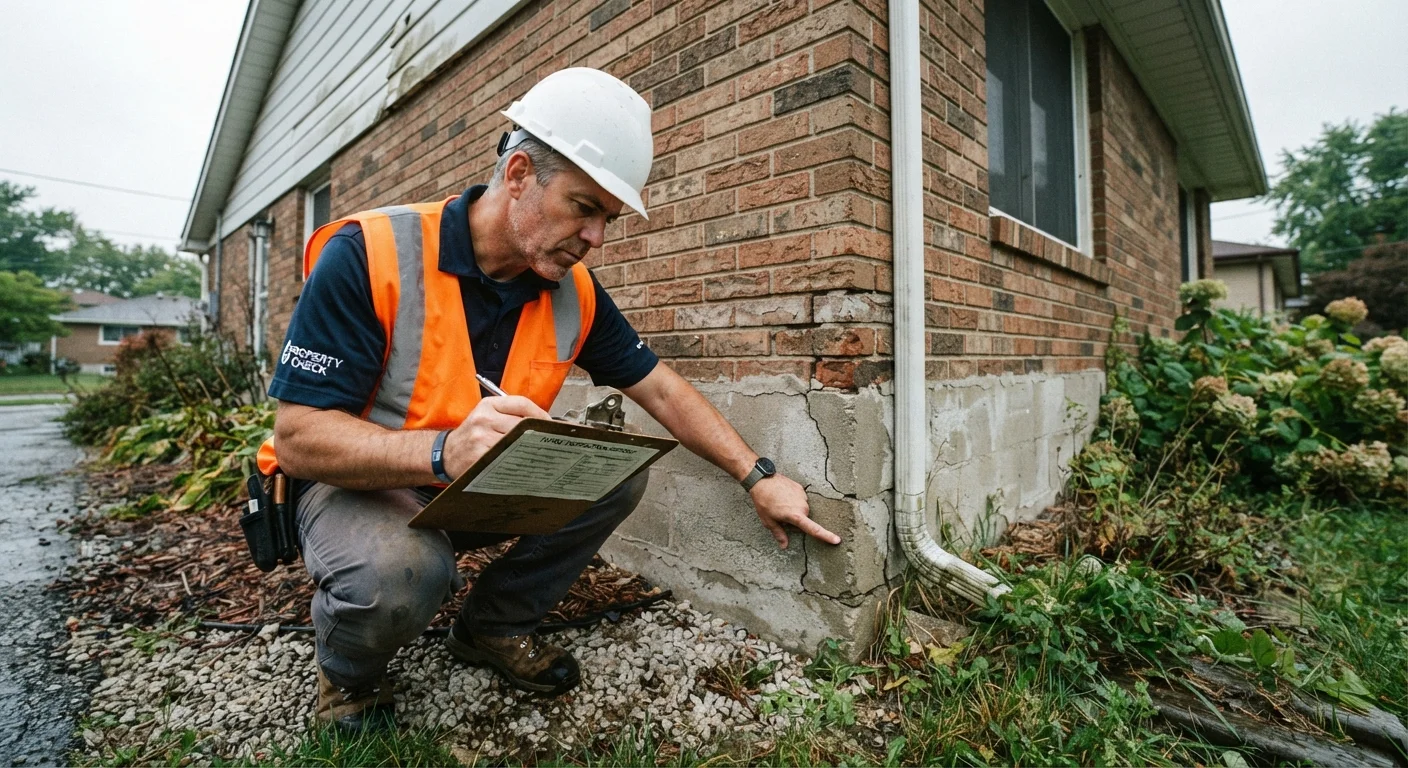
A standard home inspection is a visual, non-invasive assessment of a property's observable condition on the day it is examined. A licensed inspector walks through the home systematically, evaluating the roof, attic, foundation, basement, exterior grading, HVAC systems, plumbing, electrical panel, insulation, windows, and built-in appliances. The goal is to identify material defects — conditions that meaningfully affect the home's safety, function, or value.
What inspectors do not do is equally important to understand. They cannot see behind finished walls, beneath concrete slabs, or inside sealed ductwork. They do not typically test for radon gas, lead paint, asbestos, mold, or wood-destroying insects unless those are separately contracted as add-on services or required by state law. Treating the inspection as a comprehensive all-clear is a common and costly misunderstanding.
Inspection scope and inspector qualifications vary by state. Some states license home inspectors through a dedicated regulatory body; others have minimal requirements. Before hiring an inspector, ask whether they hold a state license (where applicable), carry errors-and-omissions insurance, and follow a recognized Standards of Practice — such as those published by the American Society of Home Inspectors (ASHI) or InterNACHI.
Common Mistakes Buyers Make Around Inspections
Waiving the inspection contingency to make an offer more competitive.
Why it happens: In tight housing markets, buyers fear losing a bidding war and agree to remove contingencies — including the inspection clause — to appeal to sellers.
Skipping the inspection on newly built homes, assuming new construction is problem-free.
Why it happens: Buyers often assume that a home built to current code, under a builder's warranty, has no meaningful defects worth paying to inspect.
Not attending the inspection in person and relying solely on the written report.
Why it happens: Buyers may be busy, feel the inspector is the expert, or simply not realize that attending is an option.
Treating the standard inspection as sufficient for older or complex homes without specialist follow-up.
Why it happens: Buyers assume one inspection covers all risks, not realizing that certain issues — chimney condition, sewer line integrity, HVAC age — often require specialist evaluations.
Ignoring the inspection report after closing because the deal is done.
Why it happens: Once the purchase is complete, buyers shift focus to moving and may file the report away without acting on its findings.
Understanding what inspectors look for is only half the equation. The other half is avoiding the judgment errors that leave buyers exposed — whether through competitive-market pressure, misplaced trust, or a simple lack of information. See also: things first-time homebuyers often overlook before closing for a broader checklist of easily missed pre-closing steps.
How to Use Inspection Results Effectively
A home inspection report is a negotiating document as much as it is a condition summary. Findings don't automatically mean the deal is dead — they mean you now have verified information to work with. Buyers can request that a seller address specific safety issues before closing, negotiate a price reduction to offset repair costs, or ask for a credit at closing. Which approach is reasonable depends on market conditions, the severity of the findings, and what your purchase contract allows.
~86%
Homebuyers who get an inspection
According to the National Association of Realtors, the large majority of home purchase transactions include a home inspection, though the share fluctuates with market competitiveness.
$300–$500
Typical inspection cost range
General home inspection fees in the U.S. typically fall in this range for an average-sized single-family home, though costs vary by region, home size, and inspector credentials.
$5,000–$10,000+
Common cost of undiscovered defects
Roofing, foundation, and HVAC issues uncovered after closing frequently run into the thousands; major structural or system failures can cost far more depending on the home's age and condition.
Not every defect warrants renegotiation. Inspectors commonly flag cosmetic issues, deferred maintenance items, and minor code updates alongside genuinely serious problems. Learning to distinguish between them — often with guidance from your agent or a trusted contractor — helps you focus on what actually matters. For context on how physical condition factors into a property's market value, see how sellers and appraisers weigh home condition.
Inspection Reports Are Not Transfer Warranties
A home inspection reflects conditions visible on a single day. Inspectors are not liable for defects that were concealed, latent, or developed after the inspection date. Do not interpret a clean inspection report as a guarantee that no problems exist — and do not skip purchasing a home warranty or reviewing seller disclosure statements as complementary layers of protection.
After closing, the inspection report serves as a living reference document. It can guide your maintenance priorities in the first year of ownership. Many of the items flagged as early-stage concerns — minor roof flashing wear, slow-draining pipes, a slightly dated electrical panel — become the overlooked maintenance tasks that protect a home's structure long-term if left unaddressed.
Seller Disclosures Don't Replace an Inspection
Most states require sellers to disclose known material defects, but disclosure forms depend on what sellers are aware of and choose to report. An independent inspection gives you a third-party, professional evaluation that is independent of the seller's knowledge or honesty. Relying solely on disclosures leaves significant gaps in your understanding of the property's condition.