

Key Takeaways
Capsule Wardrobe
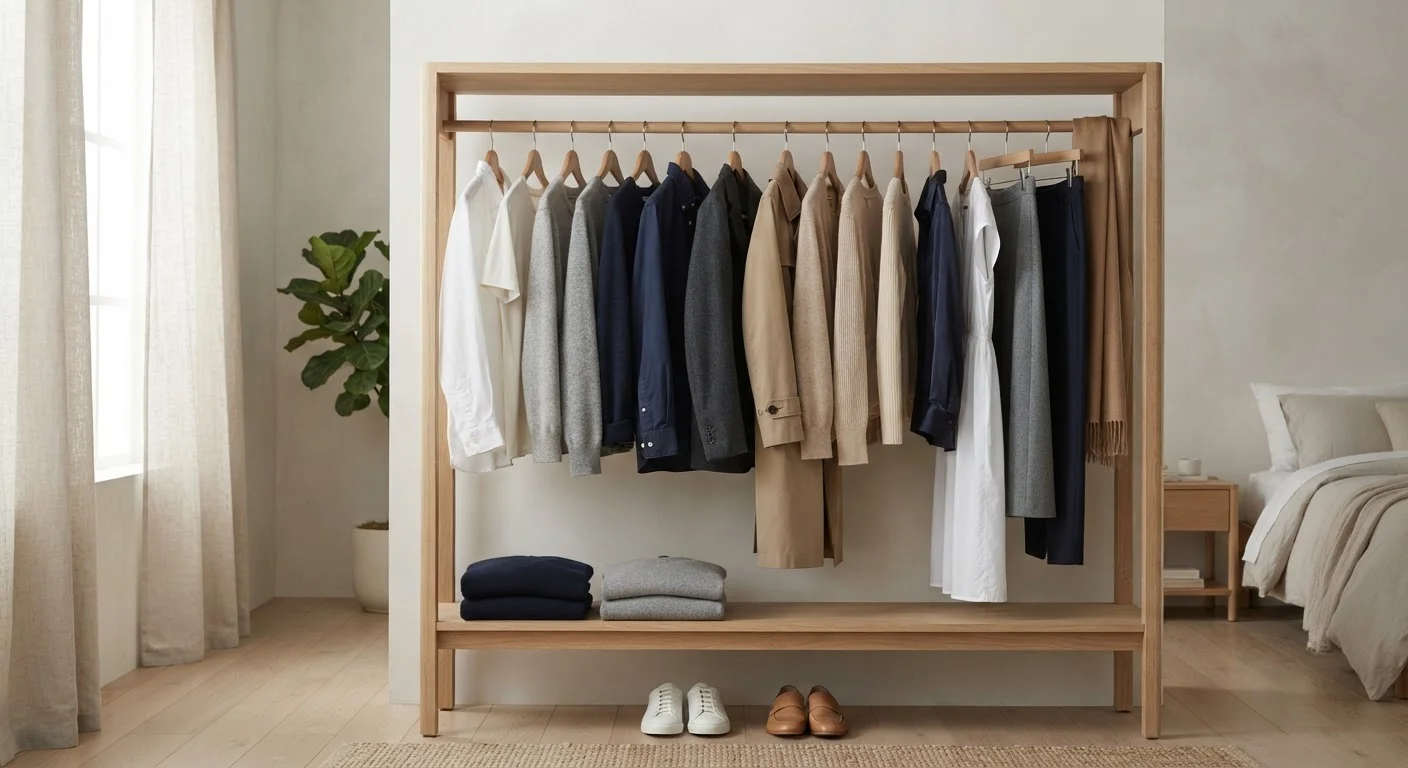
A capsule wardrobe is a small, intentionally selected collection of clothing where every piece works with multiple other pieces. The goal is to own fewer items but be able to create more outfit combinations from what you have. It's less about a strict number and more about purposeful curation.
The concept was popularized in the 1970s by London boutique owner Susie Faux and later brought to mainstream fashion audiences through Donna Karan's 1985 'Seven Easy Pieces' collection.
Where the Concept Comes From
The capsule wardrobe idea has been around for decades, but it gained fresh momentum with the rise of minimalism and slow fashion conversations in the 2010s. At its core, it was never about deprivation — it was about having a closet that actually functions. Susie Faux's original pitch was straightforward: invest in a handful of high-quality, timeless items that form the backbone of your daily dressing, then add occasional seasonal or trend pieces on top.
What made the concept stick is its fundamental logic. Most people wear roughly 20% of their wardrobe on a regular basis. The rest hangs unused — sometimes forgotten, sometimes aspirational, sometimes just a mistake. A capsule approach tries to close that gap by making every item earn its space. For a deeper look at how closet clutter actually affects your daily routine, see what a disorganized closet really costs you.
The 'Rules' Are Not Universal
You'll find capsule wardrobe guides online that specify exact item counts, strict color rules, or season-specific lists. These are suggestions from individual stylists or bloggers, not authoritative standards. The concept is flexible by design — take what's useful and leave what isn't.
What It Actually Involves
Building a capsule wardrobe involves three practical steps: auditing what you own, identifying your real lifestyle needs, and filling gaps with versatile pieces that work together. The emphasis on a neutral or cohesive color palette isn't about being boring — it's about making mix-and-match easier without a lot of mental effort each morning.
The pieces most often cited as capsule anchors include well-fitting trousers, quality denim, a few tops in varying formality, a blazer or structured jacket, and comfortable footwear that transitions across occasions. Our wardrobe essentials reference breaks down what each of those pieces should actually look and feel like.
Critically, what counts as a capsule varies by person. A remote worker's capsule looks nothing like a teacher's or a nurse's. Lifestyle comes first — the concept is a framework, not a formula.
Start With an Audit Before You Buy Anything
Before adding a single item in the name of building a capsule, spend time with what you already own. Pull everything out, try things on, and identify what you actually reach for. Most people discover their capsule core already exists — it's just buried. Buying before auditing is one of the most common ways the concept goes wrong.
Does It Actually Work?
For a lot of people, yes — with some important caveats. The strongest case for capsule wardrobes is psychological: when your closet contains fewer, better-chosen items, getting dressed becomes less of a daily negotiation. Research on decision fatigue suggests that reducing low-stakes choices can preserve mental energy for higher-priority decisions, though individual results vary widely.
The practical upside is also real. When pieces are chosen to work together, you genuinely do get more outfit combinations from fewer clothes. Practical mixing and layering techniques can extend what even a modest capsule can do.
~20%
Clothes worn regularly from most wardrobes
A widely cited observation in fashion psychology and wardrobe research suggests most people regularly wear only about 20% of what they own.
30–50
Typical capsule wardrobe item range
Common capsule wardrobe frameworks suggest 30–50 total items, including shoes and outerwear, though there is no single authoritative standard.
The limitations are worth naming plainly. Capsule wardrobes can feel restrictive for people who use clothing as creative expression or who have highly varied social schedules. They also require upfront effort — auditing your wardrobe and identifying real gaps takes time. And they're harder to execute on a very tight budget if you're starting from scratch. If you're beginning with an almost-empty closet, building a functional wardrobe from scratch may be a more useful starting point.
How to Evaluate Whether It's Right for You
The honest answer is that a full capsule wardrobe isn't the right move for everyone — and that's fine. What is broadly useful is the underlying principle: owning things you actually wear, in combinations that actually work. Even applying that logic to 60% of your closet is a meaningful improvement over the status quo.
Ask yourself: Do I regularly struggle to find something to wear despite a full closet? Do I keep buying things I never use? Do I want to spend less mental energy on getting dressed? If most of those are yes, the capsule framework is worth exploring seriously. If you love variety, follow seasonal trends intentionally, or use fashion as a primary form of self-expression, a looser interpretation — focused on fit, versatility, and intentional buying — may serve you better than a strict count-based approach.
The goal isn't a perfectly curated Instagram closet. It's a wardrobe that reliably works for the life you're actually living. That's achievable at almost any budget or style preference — it just requires a little honesty about how you actually dress day to day. You might also find it helpful to understand the thinking patterns behind common wardrobe regrets before making any big changes.