

Key Takeaways
Why Off-Season Travel Deserves a Second Look
Most American travelers plan trips around the same windows: summer break, holiday weekends, spring school vacation. The result is predictable — packed airports, booked-solid hotels, and landmark photos crowded with strangers. Off-season travel flips that script, and the benefits go well beyond cheaper flights.
That said, traveling outside peak periods isn't universally better. Some destinations genuinely lose their appeal when seasonal businesses shutter or weather turns harsh. The goal here isn't to romanticize the off-season — it's to give you a clear-eyed picture of what you actually gain (and what you'll need to plan around). For a broader framework on timing decisions, see our guide on peak season vs. off-season travel.
Meaningfully lower costs — with caveats
Accommodation and airfare prices tend to drop noticeably during off-peak periods for many destinations. Hotels that charge premium rates in July may offer the same rooms at significantly reduced prices in November. This isn't universal — ski resorts are expensive in winter, beach towns are quiet and cheaper — so the savings depend entirely on which destination you choose and what that destination's peak season actually is.
It's also worth knowing that "lower price" doesn't always mean the experience is identical. Fewer dining options, reduced tour availability, and shorter operating hours are common trade-offs. Weigh total trip value, not just the nightly rate. For a nuanced look at booking strategy, see flexible booking vs. locking in rates early.
Off-season savings are real, but they depend on choosing the right destination for the season.
Dramatically smaller crowds at major sites
This is arguably the most underrated benefit. Walking into a museum, national park, or historic site without jostling for space changes the experience entirely. You can linger, read every placard, take an unobstructed photo, and simply be somewhere without the sensory overload of peak-season tourism.
America's national parks illustrate this perfectly. Places like Zion or Acadia see visitation numbers that strain infrastructure in summer. Visit in late autumn or early spring and you'll often find the same landscapes with a fraction of the foot traffic. Our guide to lesser-known national parks worth the drive pairs well with off-season planning — quieter parks become even more serene.
Fewer crowds don't just reduce stress — they fundamentally improve how you experience a place.
More authentic local interactions
When a town isn't overrun with tourists, its residents have more bandwidth to engage. Restaurateurs chat, shopkeepers share recommendations, locals at a café actually make eye contact. This isn't a guarantee — plenty of off-season destinations are simply quieter without being more welcoming — but in many places the dynamic genuinely shifts when tourism pressure eases.
This benefit compounds if you're traveling solo. Without the built-in social buffer of a group, you're more likely to initiate conversations and connect with the place on its own terms. If you're weighing whether to travel alone or with others, group trips vs. solo travel walks through the real trade-offs of each approach.
Off-season destinations often offer more genuine human connection when tourist pressure eases.
Greater flexibility and spontaneity
During peak season, popular restaurants require reservations weeks out, sold-out tours turn away walk-ins, and last-minute hotel availability is nearly nonexistent. In the off-season, that friction largely disappears. You can change your plans mid-trip, decide on a whim to stay an extra night, or book a tour the morning of — without penalty or disappointment.
This flexibility is particularly valuable for travelers whose schedules are already constrained. If your window to travel is fixed, off-season timing can compensate by making the trip itself more fluid and low-stress once you arrive.
Off-season travel restores the spontaneity that peak-period logistics routinely eliminate.
A different — sometimes better — version of the destination
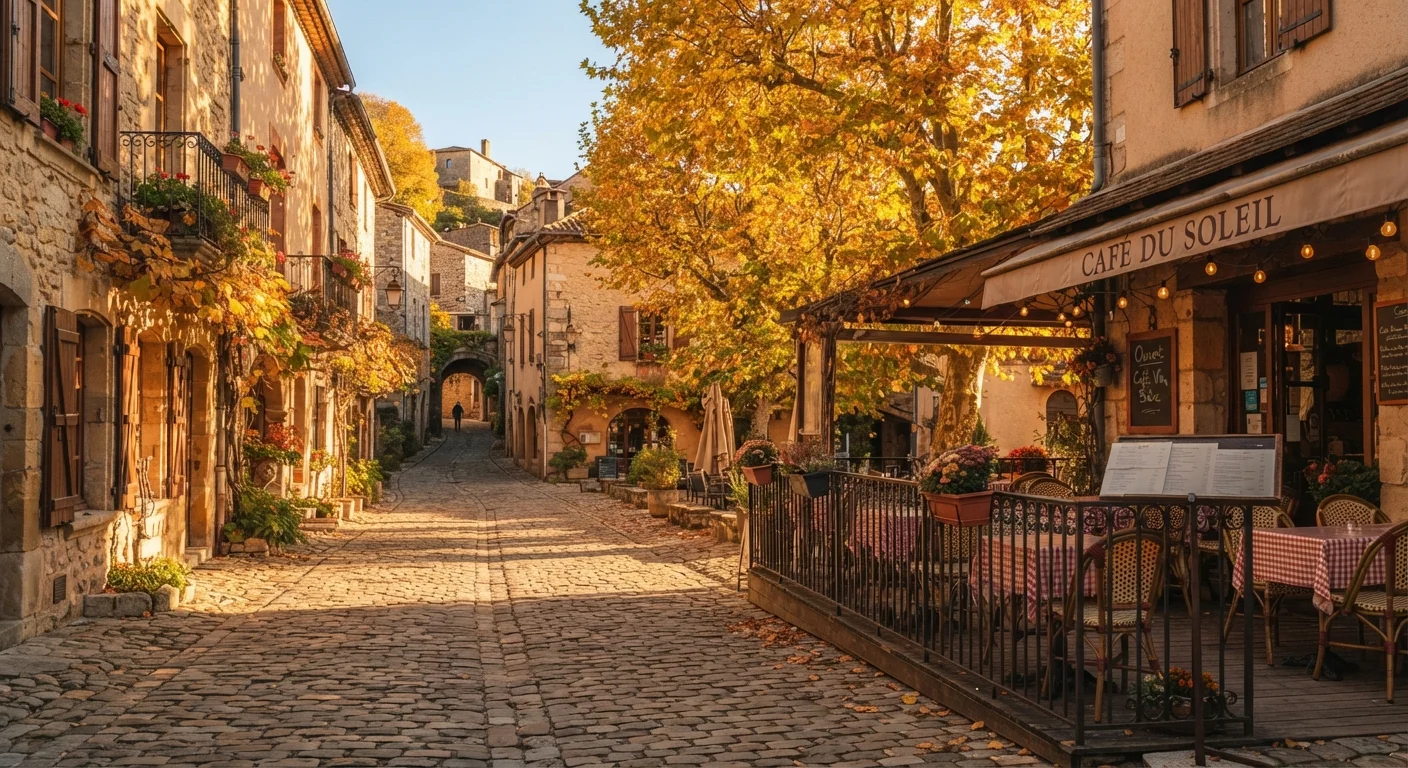
Some places reveal a truer character when the tourist layer lifts. A coastal fishing village in October looks and feels different than in August — fishing boats actually working, locals running errands, fewer souvenir shops crowding the dock. Pacific Northwest coastal towns, for example, take on an atmospheric, fog-and-cedar quality in autumn that summer simply doesn't offer. See what's worth stopping for in our guide to Pacific Northwest coastal towns off the standard itinerary.
Iceland is a dramatic example of this principle. Summer brings midnight sun and accessible highlands; winter brings northern lights and stark volcanic landscapes under snow. Neither version is inferior — they're genuinely different destinations. Iceland in winter vs. summer breaks down exactly what changes between the two.
Off-season strips away the tourist layer, often revealing what a destination actually is.
The trade-offs you should plan for honestly
Off-season travel comes with real limitations that are worth naming plainly. Weather may be less predictable or simply worse. Some attractions close entirely — seasonal ferry routes, outdoor adventure operators, beloved local restaurants. Public transport can run on reduced schedules. Daylight hours may be shorter, which compresses sightseeing time.
None of these are deal-breakers, but they require research. Always verify operating hours directly with attractions, check government travel advisories for entry and safety conditions (which can also shift seasonally), and build flexibility into your itinerary. A little pre-trip homework prevents a lot of mid-trip frustration.
Off-season trade-offs are manageable — but only if you research them honestly before you go.
Making Off-Season Travel Work for You
Off-season trips reward planners who do their homework. Before booking, confirm which attractions, restaurants, and transport links operate year-round — reduced schedules can catch you off guard. Our article on overlooked logistics experienced travelers confirm in advance is worth reading before any trip with unusual timing.
Verify Before You Book
Off-season schedules vary widely by destination and even by individual operator. Before finalizing plans, contact accommodations, key attractions, and any essential transport links directly to confirm they'll be operating during your dates. Government tourism websites and official park sites are reliable starting points. Don't rely solely on third-party listings, which sometimes reflect outdated seasonal hours.
If you're not quite ready to commit to the deep off-season, shoulder season often hits the sweet spot — fewer crowds and costs than peak, without the full trade-offs of the low season. Wherever your next trip takes you, the trip planning hub has practical guidance to help you get there confidently.