Key Takeaways
Why These Assumptions Take Root
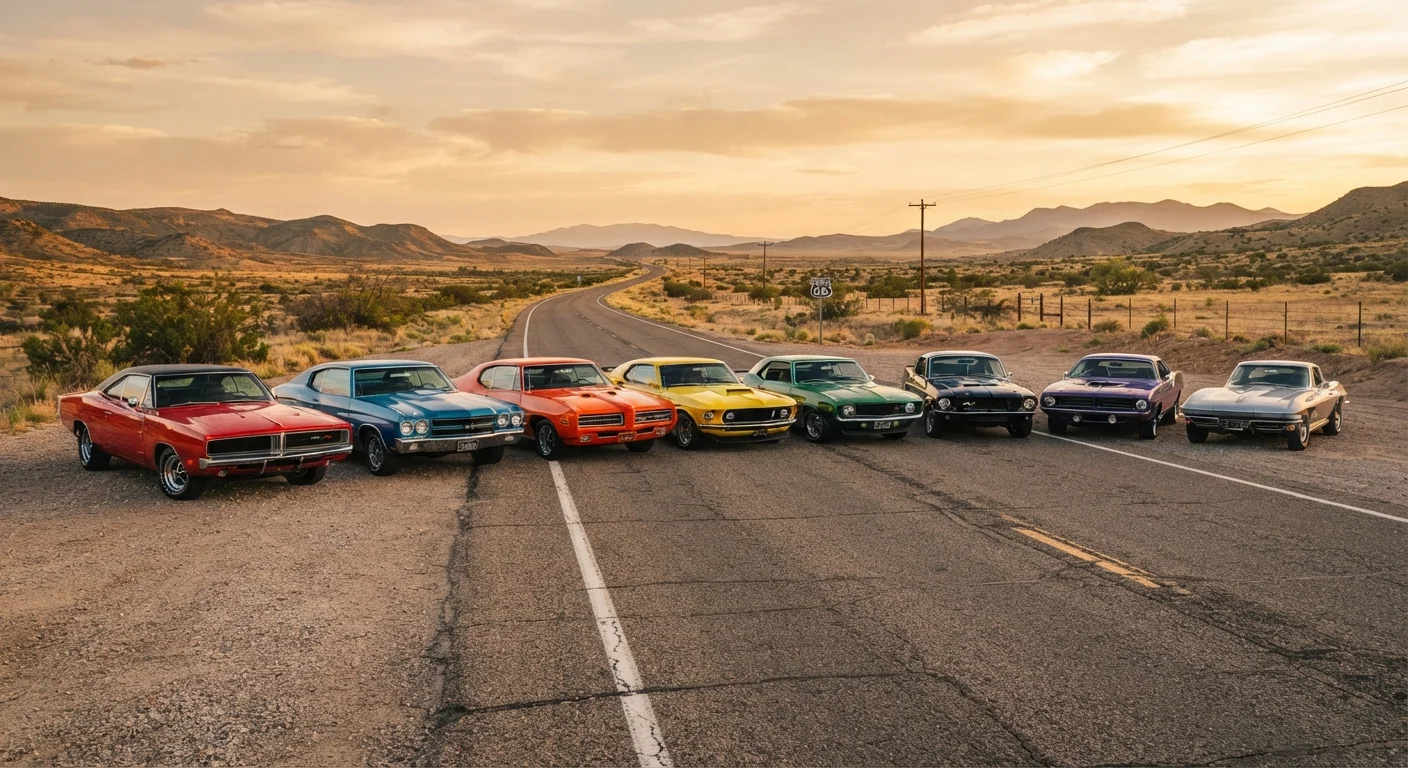
Few automotive hobbies carry as much mythology as classic car collecting. Newcomers arrive shaped by auction TV shows, glossy magazine features, and the occasional auction record that makes headlines - and those sources paint an incomplete picture. The result is a set of deeply embedded assumptions that can lead first-time buyers to either overestimate the glamour or underestimate the work involved.
Understanding what classic car ownership actually looks like - week to week, dollar to dollar - is essential before committing. Our introduction to the classic car hobby covers foundational expectations in depth, but here we address the specific beliefs that most frequently mislead newcomers.
Myth
Classic cars always appreciate in value, making them a reliable investment.
Fact
Value appreciation is not guaranteed and depends on condition, documentation, provenance, and shifting collector demand.
Auction highlights and record-setting sales dominate media coverage, creating the impression that virtually any old car will grow in value over time. In practice, appreciation is selective and unpredictable. Vehicles with strong documentation, matching numbers, and desirable specifications tend to hold or grow in value - others depreciate or stagnate. Market tastes also shift across generations of collectors. Treating a classic car primarily as a financial asset carries real risk, and prospective buyers should approach it as a passion purchase first. For context on how originality and documentation shape value, see our piece on barn finds versus restored classics.
Myth
Parts for old cars are nearly impossible to find, making repairs an endless ordeal.
Fact
Parts availability varies enormously by make, model, and era - popular American classics often have robust reproduction and aftermarket support.
While some niche European or low-production vehicles do present genuine sourcing challenges, many of the most popular American classics - particularly muscle cars and post-war domestic models - benefit from large reproduction parts industries and active salvage networks. Club registries, specialty suppliers, and online communities have dramatically improved access compared to even two decades ago. Difficulty varies; researching a specific model's parts ecosystem before purchase is a practical step every buyer should take. The vehicle parts and services hub offers broader context on sourcing and maintenance strategies.
Myth
Classic car ownership is only for wealthy collectors with unlimited budgets.
Fact
Many enthusiasts enter the hobby at modest price points and build their involvement gradually over time.
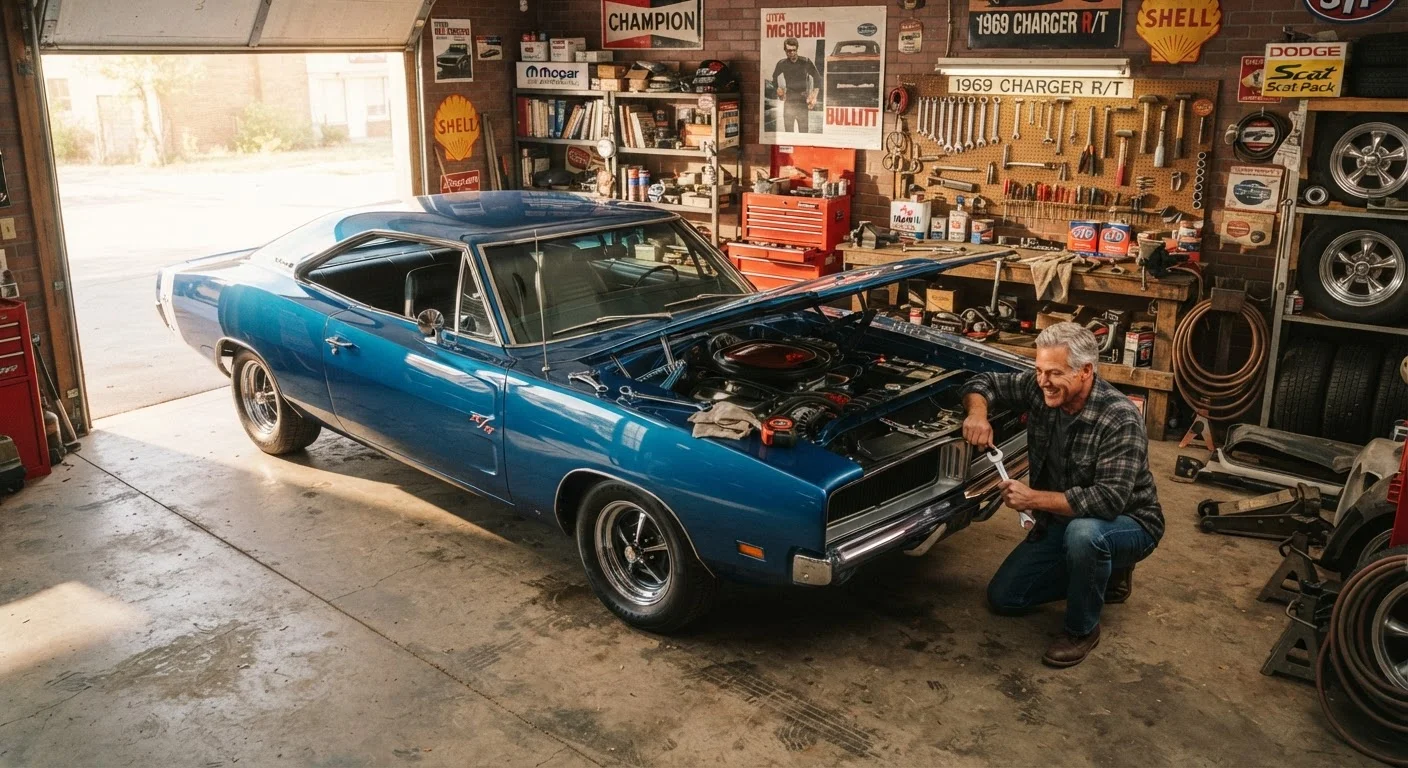
While concours-quality show cars and rare factory-original examples do command significant prices, a large portion of the classic car hobby operates at accessible levels. Project cars, driver-quality examples, and entry-level collectibles offer meaningful engagement without requiring deep pockets. Costs can be managed through owner-performed maintenance, club membership discounts, and careful vehicle selection. The community also tends to be generously educational - experienced owners frequently mentor those just starting out.
Myth
A classic car should never be driven - it must be preserved in a garage to hold its value.
Fact
Regular, thoughtful use is generally considered healthier for a mechanical vehicle than extended inactivity.
Static storage creates its own problems: fuel systems degrade, rubber seals dry out, brakes seize, and moisture accumulates. Most experienced owners and mechanics agree that periodic driving - even short runs - helps keep systems lubricated and functional. Agreed-value insurance policies do typically include mileage considerations, but those limits are rarely so restrictive that occasional driving is prohibited. Proper seasonal storage practices matter far more to long-term preservation than simply avoiding road use altogether.
Myth
A fully restored classic is always worth more than an unrestored original.
Fact
Among serious collectors, documented originality - including honest patina - can be more valuable than a repaint or rebuild.
Restoration quality is difficult to verify without professional evaluation, and a poor restoration can actually reduce a vehicle's value compared to an honest original. Numbers-matching, unrestored examples with solid documentation are highly prized in many collector segments precisely because they represent untampered history. The question of whether to restore or preserve is one of the most nuanced in the hobby, and the answer depends on the vehicle, its history, and the owner's intentions. Provenance documentation plays a central role in how these judgments are made.
What the Financial Reality Actually Looks Like
Money is where classic car mythology does the most damage. The purchase price of a vintage vehicle is frequently the smallest financial commitment an owner will make. Specialist labor, hard-to-source parts, climate-controlled storage, and dedicated insurance all accumulate - often faster than owners anticipate.
3-5x
Typical ratio of total ownership cost to purchase price
Industry observers and long-term collectors frequently note that restoration and upkeep costs often multiply the original purchase price several times over.
60%+
Classic car owners who perform some maintenance themselves
Surveys within enthusiast communities consistently show that hands-on involvement in maintenance is the norm, not the exception, among classic car hobbyists.
Insurance alone operates under a different framework than standard auto coverage. Agreed-value policies, mileage restrictions, and usage clauses are common in this space. Before insuring any classic, it pays to understand how classic vehicle insurance differs from standard coverage. Similarly, hidden costs that catch first-time owners off guard deserve serious attention before any purchase decision.
Budget for More Than the Sticker Price
First-time buyers frequently underestimate how quickly costs accumulate after acquisition. Storage, insurance, specialist labor, and parts sourcing can each represent significant annual expenses. Building a realistic ongoing budget - not just an acquisition budget - before purchase helps avoid financial strain down the road. Consulting with experienced owners or a trusted mechanic before committing is strongly advisable.
For those weighing a specific vehicle, a thorough pre-purchase inspection can surface decades of hidden issues before money changes hands.
Community, Culture, and the Joy of Actually Driving
Beyond finances, some of the most persistent myths about classic car culture involve the people in it and how they actually use their vehicles. The hobby encompasses a broader and more welcoming community than outsiders typically assume, and the cars themselves are meant to be driven - not just displayed.
The Community Is More Open Than You Think
Classic car clubs, regional meets, and online forums are generally accessible to enthusiasts at all experience and budget levels. Many longtime collectors actively seek to share knowledge with newcomers. Engaging with a local club or marque-specific registry before purchasing can provide invaluable guidance on what to buy, what to avoid, and what ownership truly involves day to day.
Whether an owner chooses a factory-original restoration or a restomod approach also shapes their experience significantly. Those philosophies carry real tradeoffs in cost, usability, and community reception - explored in our piece on restomod vs. factory-original restoration. And for owners curious about shows, understanding how classic car shows work and how entrants prepare can open an entirely new dimension of engagement with the hobby.