Key Takeaways
Classic Car Show
A classic car show is an organized event where owners display vintage, antique, or collector vehicles - either for public enjoyment, competitive judging, or both. Events range from informal weekend cruise-ins at local diners to prestigious concours d'elegance competitions held on manicured lawns. The format, judging standards, and prestige level vary enormously depending on the organizing club or institution.
In competitive show circuits, judging criteria often reference restoration standards published by recognized marque clubs or organizations such as the Classic Car Club of America (CCCA), which maintains specific definitions for eligible vehicles.
The Spectrum of Classic Car Shows
Not all classic car shows are created equal. At one end of the spectrum sits the neighborhood cruise-in - an informal weekly or monthly gathering at a parking lot, diner, or fairground where owners simply pull in, pop the hood, and enjoy an evening of conversation. No judging, no trophies (usually), just community. These events are ideal for new enthusiasts curious about the hobby. If you're considering joining, see our guide on what new enthusiasts should understand first before you dive in.
Regional club shows occupy the middle ground. Organized by marque-specific or general vintage car clubs, these events introduce a judging component and award trophies by class. Entry requires advance registration, and participants are evaluated by club-appointed judges or a panel of peers.
At the top tier are concours d'elegance events - formal, often invitation-only competitions where vehicles are judged against detailed factory specifications. These events celebrate the rarest and most historically significant vehicles and draw serious collectors from across the country. Understanding what qualifies a vehicle as eligible often comes down to definitions - something explored in depth in our article on what makes a car 'classic'.
How Judging Works
Judging at competitive classic car shows follows a point-based system, typically scoring vehicles across several defined categories. Common evaluation areas include:
- Originality and authenticity - Are the major mechanical and body components correct for the vehicle's model year and trim level?
- Condition of paint and bodywork - Assessed for evenness, color match to factory specifications, and absence of defects.
- Engine compartment - Judges look for period-correct components, correct finishes on the block, and accurate hose clamp types and hardware.
- Interior - Upholstery, dashboard components, and trim are checked against factory records or period documentation.
- Chassis and undercarriage - Often overlooked by casual entrants but closely scrutinized at major events.
Point deductions are issued for incorrect parts, improper finishes, missing trim, or any modification that diverges from factory documentation. The debate over originality versus restoration quality is a defining tension in the hobby - a topic covered thoroughly in our piece on barn finds versus restored classics.
~1,100
CCCA-affiliated shows and events annually
The Classic Car Club of America supports hundreds of regional and national events each year across its network of member clubs throughout the United States.
100-point
Standard scoring scale at concours events
Most major judged competitions use a 100-point scale, with deductions issued per category; scores above 95 are typically required to win class at elite national events.
Months
Typical prep time for a concours entrant
Experienced concours competitors commonly report spending three to six months on detailed preparation before presenting a vehicle at a national-level judged event.
At informal shows, judging is often peer-based or replaced entirely by a People's Choice vote - a democratic format that rewards emotional resonance over technical accuracy.
How Entrants Prepare
Preparation for a judged classic car show is a substantial undertaking. Serious competitors begin months in advance, working through a detailed checklist that addresses every scorable area. The process typically includes:
- Research: Owners consult factory assembly manuals, dealer order sheets, and marque club resources to confirm every component is correct for the vehicle's specific production date and options.
- Parts sourcing: Incorrect or period-wrong parts are replaced - sometimes at considerable expense. A single anachronistic radiator hose clamp can cost points at a concours event.
- Detailing: Finish preparation goes well beyond a wash and wax. Concours-level detailing addresses panel gaps, engine bay cleaning, wheel wells, and suspension components.
- Documentation: Many shows reward or require provenance documentation - original build sheets, window stickers, or ownership history records.
First-Time Entrants: Focus Below the Surface
Many first-time show entrants spend weeks perfecting exterior paint and chrome but neglect the engine bay, firewall, and undercarriage. Experienced judges spend significant time beneath and inside the vehicle. Address these areas early in your preparation timeline - they can represent 30% or more of total available points at a judged regional show.
First-time entrants often underestimate the scrutiny applied beneath the car. Engine bays and undercarriages receive as much attention from experienced judges as the exterior. Preparation that ignores these areas will cost points at any serious regional or national show.
Collector attitudes toward modification also vary significantly by culture. European and American classic car communities approach restoration philosophy quite differently, and those distinctions show up in how cars are prepared and what judges reward.
What Spectators Can Expect
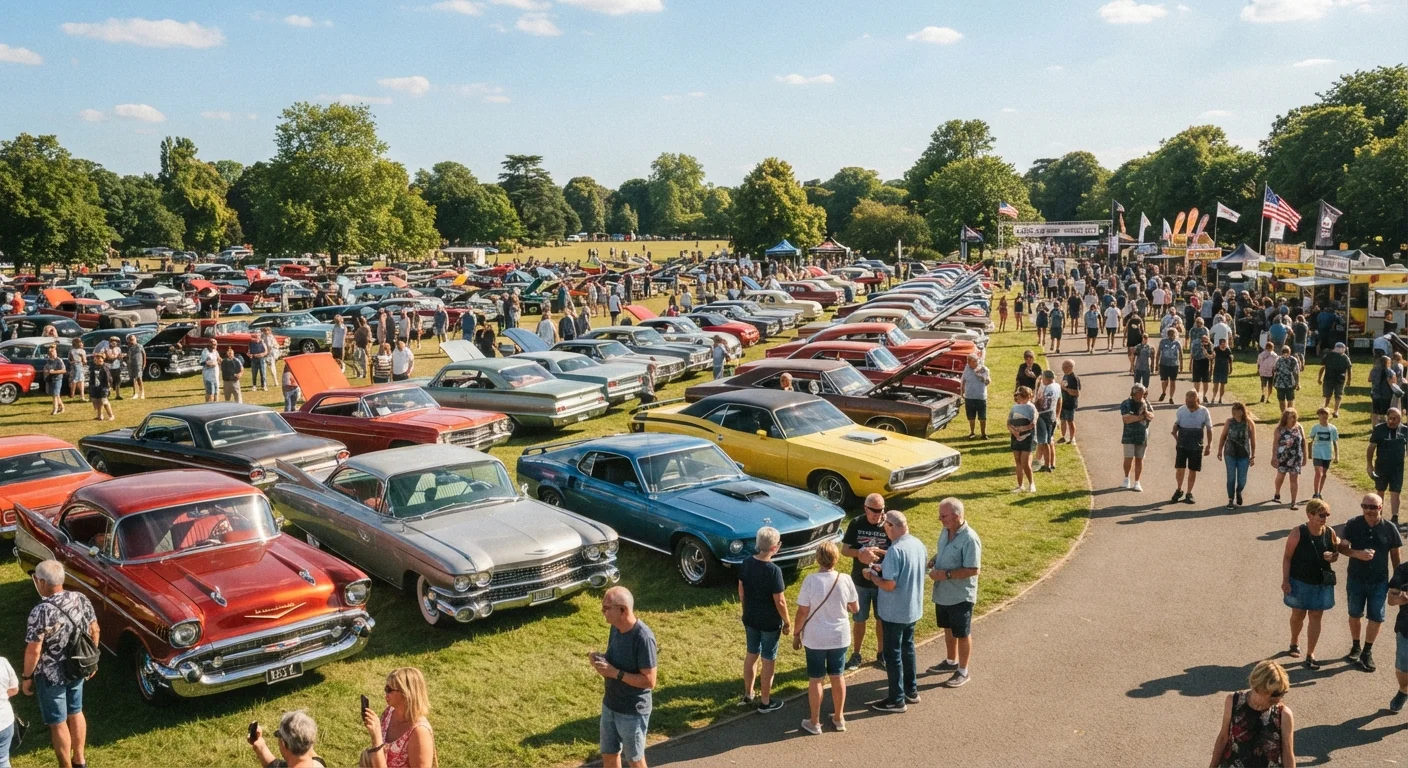
For anyone attending a classic car show as a spectator, the experience is straightforward and generally welcoming. Most shows are outdoors, organized by class or era, with vehicles parked in rows accessible for close inspection. Owners are typically eager to discuss their cars, share restoration stories, and point out features that make their vehicle historically interesting.
Larger events often include vendor areas, swap meets for parts, food vendors, and live music. Some incorporate driving tours or short road rallies as a complement to the static display. The social dimension is a major draw - these gatherings function as community events as much as competitions.
It's worth noting that the classic car hobby has a few persistent myths. Newcomers sometimes arrive with assumptions about show culture, costs, and community that don't reflect reality. Our article on common assumptions about classic car ownership addresses several of the most common misconceptions head-on.
Whether you come to compete, spectate, or simply absorb the atmosphere, classic car shows offer a tangible connection to automotive history that no museum exhibit quite replicates.