

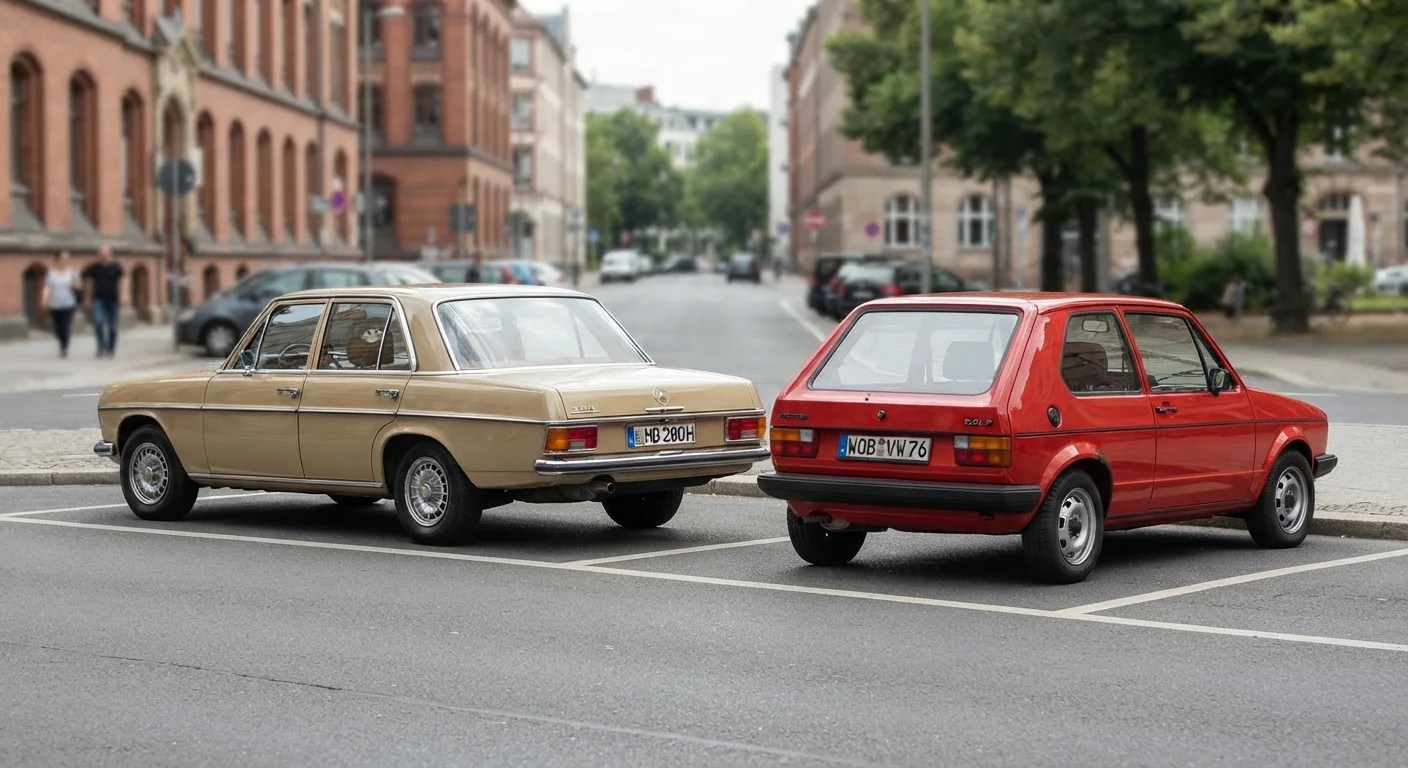
Key Takeaways
Option A
Sedan
The traditional three-box layout with a separate, enclosed trunk.
Best for: Drivers who prioritize a quiet, refined cabin and a conventional cargo compartment separate from the passenger area.
Option B
Hatchback
The versatile two-box design with a rear door that lifts the entire rear section.
Best for: Drivers who need flexible cargo space, easy rear access, and a compact footprint for city or suburban driving.
If you haul groceries, gear, or flat-pack furniture regularly
Hatchback
The full-width liftgate opening and fold-flat rear seats make loading and unloading bulky items far more practical than a sedan's narrow trunk opening.
If a quiet, refined ride with a separate trunk is important to you
Sedan
The physical separation between trunk and cabin reduces road noise intrusion and keeps cargo smells and sounds isolated from passengers.
If you drive primarily in dense urban or suburban environments
Hatchback
Hatchbacks tend to have a shorter overall length, improving maneuverability and parking in tight spaces without sacrificing interior room.
If you prioritize a traditional, formal appearance
Sedan
The three-box silhouette remains the conventional choice and is widely considered the standard professional or formal vehicle profile.
The Core Structural Difference
Understanding what separates a hatchback from a sedan starts with a simple architectural concept: the number of distinct enclosed sections, or "boxes," in the vehicle's body.
A sedan is built around a classic three-box layout. Looking at one from the side, you can clearly see three separate volumes: the front hood covering the engine compartment, the raised middle section enclosing the passenger cabin, and a lower rear deck housing the trunk. That trunk is structurally enclosed - there's a fixed rear window and a solid rear shelf separating cargo from passengers, with access only through a hinged trunk lid at the back.
A hatchback uses a two-box design. The engine compartment remains a distinct front section, but the passenger cabin and cargo area form one continuous, unified space. Instead of a separate trunk lid, the entire rear - rear window included - is mounted to a single liftgate that swings upward, opening the full width and height of the rear opening.
That structural distinction drives nearly every practical difference between the two body styles. For a broader look at how sedans fit within the wider landscape of vehicle categories, see our overview of core vehicle categories.
| Criterion | Sedan | Hatchback |
|---|---|---|
| Body layout | Three-box (engine, cabin, trunk) | Two-box (engine, combined cabin/cargo) |
| Rear access | Hinged trunk lid, limited opening | Full liftgate, wide and tall opening |
| Cargo flexibility | Fixed trunk, limited by opening size | Expandable with fold-flat rear seats |
| Cabin noise isolation | Better - trunk acts as buffer | Less separation from cargo area |
| Overall length | Typically longer due to trunk deck | Often more compact rear overhang |
| Appearance/silhouette | Traditional three-box profile | Sloped, integrated roofline to rear |
What the Difference Means in Practice
The integrated rear compartment of a hatchback translates directly into everyday usability advantages. Because the cargo floor connects flush to the passenger area and the rear seats typically fold flat, hatchbacks can swallow items that would never fit through a sedan's comparatively narrow trunk opening - think bicycles, flat-pack furniture, or large sporting equipment.
Sedans, by contrast, have a fixed trunk opening constrained by the surrounding bodywork and rear shelf. That shelf also creates a noise and odor barrier, which means cargo smells (wet gear, groceries) and road noise entering through the trunk are less likely to reach the cabin. For many drivers, that acoustic and olfactory separation is genuinely appreciated on longer trips.
~10 cu ft
Typical sedan trunk volume
Most mid-size sedans offer between 13 and 16 cubic feet of trunk space, but access is constrained by the trunk opening dimensions.
2-box
Hatchback structural sections
The two-box architecture is the defining engineering distinction that makes a hatchback's cargo area continuous with the passenger cabin.
Cargo volume figures on spec sheets can be misleading here. A sedan and a hatchback may list similar cubic-foot totals, but the hatchback's volume is far more usable because of the full-width opening and the ability to utilize vertical space all the way to the roofline.
If you're still building familiarity with automotive terminology and body styles, this primer on vehicle body styles is a useful starting point before diving deeper into any specific type.
When a 'Hatchback' Becomes a 'Wagon'
The terminology can overlap. A hatchback with a longer, more level roofline extending over a larger cargo area is often called a wagon or estate. The functional principle - an integrated cargo space with a rear liftgate - is the same. The key visual difference is that wagons maintain a roofline closer to the passenger cabin height all the way to the rear, while hatchbacks typically slope downward more steeply. Both differ fundamentally from a sedan's enclosed trunk.
Size, Footprint, and Driving Character
Hatchbacks are often - though not always - shorter in overall length than comparable sedans. Because the cargo area doesn't need to extend rearward as a separate trunk volume, manufacturers can keep the rear of the vehicle more compact. This makes many hatchbacks noticeably easier to maneuver in tight parking situations or urban traffic.
Sedans, with their longer rear deck, tend to have a slightly more stretched silhouette that many drivers associate with a more formal or traditional appearance. That longer wheelbase can also contribute to a smoother highway ride in some cases, though modern hatchback platforms have largely closed this gap.
It's worth noting that the line between these body styles isn't always clean. Some vehicles marketed as sedans have a more steeply sloped rear and a liftgate-style rear window - sometimes called a "fastback" - that blurs the boundary. When in doubt, the defining question is whether the rear window is part of a liftgate or fixed to the body. For deeper perspective on what vehicle specs actually tell you about capability, this guide on reading beyond the window sticker is worth a read.