

Key Takeaways
Fit, Fabric, Color Framework
Fit, fabric, and color are the three fundamental variables that determine whether an outfit looks intentional and pulled-together. Fit refers to how a garment conforms to your body's proportions. Fabric describes the material's weight, drape, and texture. Color covers hue, tone, and how shades interact with each other and with your complexion.
Style professionals sometimes refer to this as the "three-variable model" — the idea being that if any one variable is off, it undermines the other two, no matter how expensive or trend-forward the pieces are.
Why Three Variables?
Walk into most closets and you'll find clothes people don't wear — things bought on impulse, gifts that never felt right, items that looked great in the store and confusing at home. Rarely is the culprit a single catastrophic choice. More often, something subtle is off: a sleeve that's a touch too long, a stiff fabric that doesn't move naturally, a color that clashes with almost everything else on the rack.
The fit-fabric-color framework exists because outfit success or failure almost always traces back to one of these three things. Understanding each variable independently — and how they interact — turns getting dressed from a guessing game into a repeatable skill. If you're building a wardrobe from scratch, this framework gives you an evaluative lens before you spend a dollar.
~60%
Unworn clothes in average closet
Wardrobe utilization research consistently finds that most people regularly wear only a fraction of what they own, with estimates typically ranging from 20–40% of garments worn with any frequency.
$0–$20
Cost of basic tailoring alterations
Simple alterations like hemming trousers or taking in a waist typically cost very little at local tailors, making fit-fixing one of the highest-return investments in a wardrobe.
3
Neutral anchor colors needed for versatility
Style educators commonly recommend building around three to four neutral anchor colors to maximize outfit combinations from a minimal wardrobe.
Fit: The Variable With the Most Leverage
Fit is the variable stylists return to first because it's the most visible and, often, the most underestimated. A piece that fits your actual body — not an aspirational size or a general cut that's "close enough" — communicates intention. It signals that the garment belongs on you rather than near you.
Good fit isn't synonymous with tight. It means the shoulder seam sits at your shoulder, the torso doesn't pull or bag, and the length hits where it creates a clean visual line. These specifics vary by garment type, but the underlying principle holds: when proportions align, the eye reads the outfit as cohesive.
Tailoring is underused and often inexpensive for basic adjustments. Hemming trousers, taking in a waist, or shortening sleeves can move a garment from awkward to precise. Many outfit failures that feel permanent are actually one minor alteration away from working. Wardrobe regrets frequently involve buying for a future self rather than a present one — fit suffers every time.
Try the One-Alteration Test
Before giving up on a garment that almost works, identify exactly which fit issue is bothering you and ask a local tailor what it would cost to fix it. Many people discover that a $10–$15 hem or seam adjustment saves a piece they'd otherwise stop wearing. This single habit can significantly improve wardrobe return on investment over time.
Fabric: What the Outfit Does When You Move
Fabric is the variable most people notice last but feel first. It governs how a garment drapes, holds structure, breathes, and ages. Two shirts in the same cut and color will read entirely differently if one is woven cotton and the other is a thin synthetic blend — one will hold its shape through the day, the other may not.
Weight and drape matter for silhouette. Heavier fabrics — wool, denim, twill — tend to hold shape and read more formal or structured. Lighter materials — linen, jersey, viscose — move with the body and read more relaxed. Mixing fabric weights within a single outfit creates contrast and visual interest, but only if the overall effect feels intentional rather than accidental.
Texture is fabric's underrated dimension. A matte cotton and a brushed flannel in the same neutral color will layer together beautifully because the textural difference adds depth without introducing color conflict. This principle underlies much of what makes tonal dressing — wearing closely related shades — look sophisticated rather than flat. For more on that interplay, the logic behind mixing patterns and prints follows similar rules about contrast and visual weight.
Fabric Care Affects Fit Over Time
Even a perfectly fitting garment can drift out of fit through repeated washing or improper care. Natural fibers like cotton and wool are prone to shrinkage; synthetic blends may stretch or pill. Checking care labels and following them accurately protects both the fit and the fabric quality you're paying for — which is especially relevant when a piece required alteration to fit correctly.
Color: Harmony Over Rules
Color is the variable with the most mythology around it — elaborate rules, seasonal palettes, strict guidelines about what "works" for a given complexion. Most of this is more complex than necessary. For everyday dressing, two practical concepts do most of the work: undertone awareness and a neutral anchor.
Undertone refers to the underlying warmth or coolness in both your complexion and a garment's color. When the two align — warm skin tones with earthy, golden, or warm-spectrum colors; cool skin tones with blues, grays, and true whites — the result tends to look harmonious. Conflict between undertones can make even a flattering shade seem slightly off.
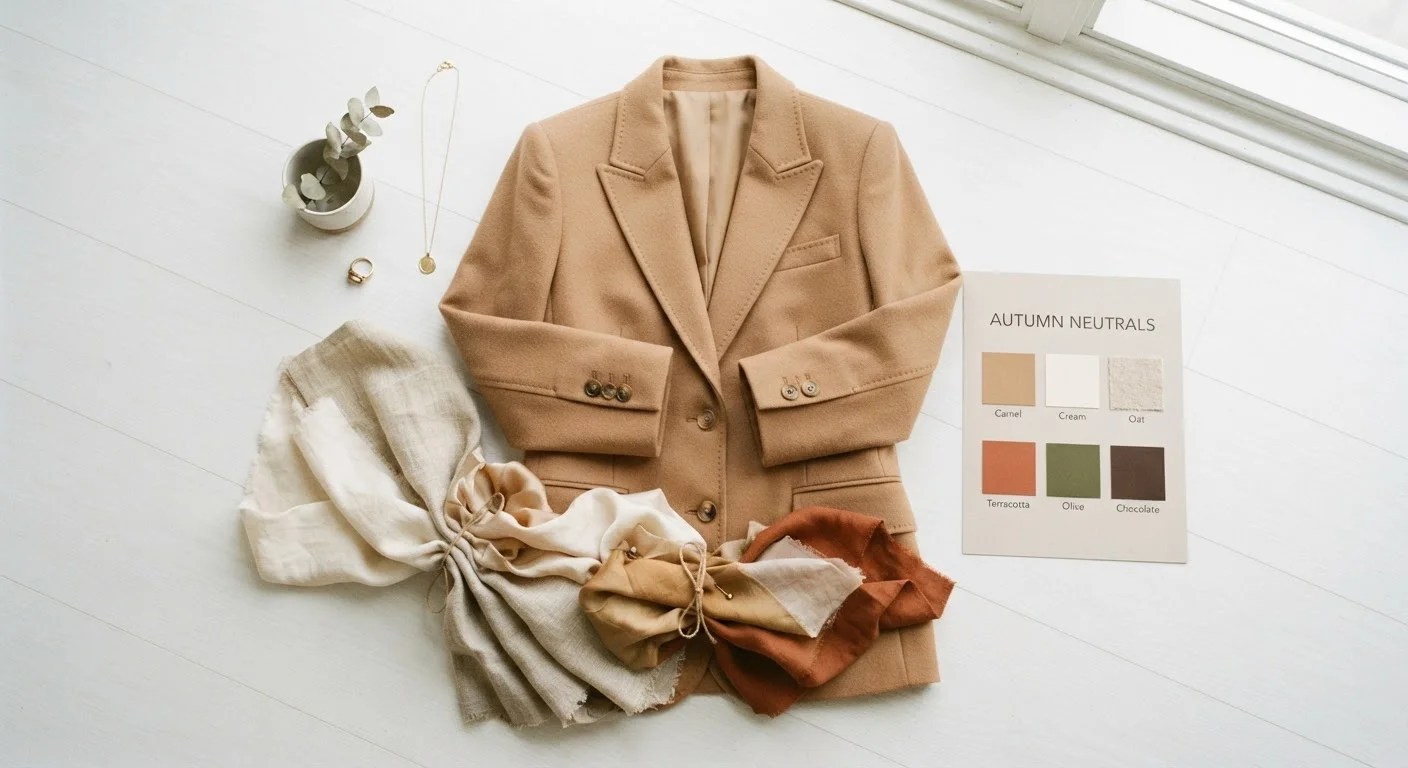
A neutral anchor — one to three colors in your closet that combine freely with almost everything else — dramatically expands how many workable outfits a small wardrobe can produce. Navy, camel, off-white, and charcoal are common anchors because they carry low visual tension and shift between contexts easily. Building from a neutral base before adding accent colors is one of the most reliable ways to get more outfits from fewer clothes without overcomplicating the process. For readers curious about how body proportions intersect with color and cut, body-shape dressing guidance can add a useful layer of context.
“Most people don't need more clothes — they need the clothes they already own to fit them properly. Fit is the great equalizer in fashion; it matters more than price, brand, or trend.”
— Tim Gunn, Fashion educator and author