

Key Takeaways
Affordable daily costs stretch American travel budgets far
In countries like Vietnam, Cambodia, and Indonesia, a comfortable guesthouse, three meals, and local transport can often be managed for well under $50 a day — a fraction of comparable Western destinations.
Extensive solo traveler infrastructure already in place
Decades of backpacker traffic have produced a dense network of hostels, organized tours, and English-friendly services that make logistics far less daunting than in less-visited regions.
Unusually easy to meet other travelers
Common areas in hostels, group cooking classes, day tours, and social apps create constant opportunities for connection — solo rarely means lonely for long.
Extraordinary cultural and geographic variety
A single multi-country itinerary can take you from Angkor Wat to Halong Bay to Balinese rice terraces — a range of experiences few other regions can match in one trip.
Flexible, low-commitment travel style is the norm
Bus and train networks between major destinations make it easy to adjust plans on the fly without heavy financial penalties, supporting a spontaneous travel style.
Heat, humidity, and stomach illness are common
Much of the region is tropical, and traveler's diarrhea — typically from contaminated food or water — is one of the most frequently reported health issues. Packing oral rehydration salts and knowing when to seek care matters.
Petty theft and tourist-targeted scams are prevalent
Bag snatching, gem scams, and rigged taxi meters are documented risks in busy tourist areas. Staying alert in crowds and using reputable apps for transport significantly reduces exposure.
Road safety is a genuine hazard
Traffic fatality rates in several Southeast Asian countries are among the highest in the world. Renting motorbikes without experience and riding without helmets are particularly risky decisions.
Cultural norms require active awareness
Dress codes at temples, rules around photographing locals, and etiquette around religious sites vary by country and community. Missteps — even unintentional ones — can cause real offense.
Our Verdict
Southeast Asia delivers an extraordinary return on investment for solo travelers willing to do a little homework. The region's affordability, cultural richness, and traveler-friendly infrastructure make it more accessible than many Americans expect. That said, it rewards those who balance spontaneity with smart preparation — especially around health, safety, and cultural awareness.
Ideal for curious, adaptable American travelers who want meaningful cultural immersion, manageable logistics, and the flexibility to set their own pace.
Why Solo Travelers Keep Coming Back to Southeast Asia
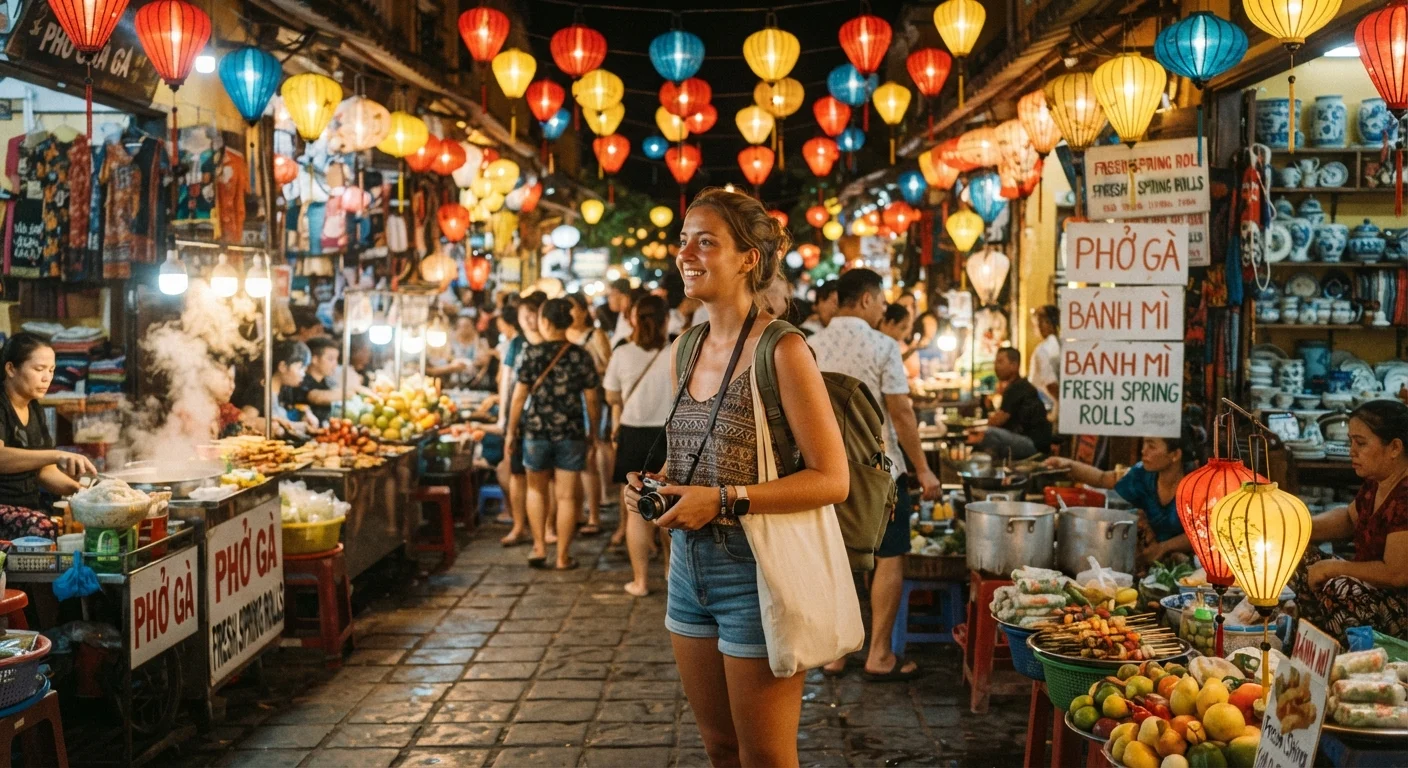
Millions of independent travelers pass through Thailand, Vietnam, Indonesia, Cambodia, and their neighbors every year — and a significant share of them are Americans venturing out solo for the first time. The draw is understandable: the region packs extraordinary variety into a relatively compact geography, with ancient temples, beach towns, mountain trekking, and street food culture all within a few hours of each other.
The infrastructure built up around decades of backpacker tourism means hostels, guesthouses, and budget transport options are plentiful. Apps like Grab have replaced the haggling anxiety of unmetered taxis in most major cities, and English signage is common in tourist corridors. For solo travelers nervous about navigating an unfamiliar region, Southeast Asia offers a genuine soft landing — one that feels adventurous without being inaccessible.
For a deeper look at structuring your days once you arrive, see our guide to building a trip itinerary that actually works.
Affordable daily costs stretch American travel budgets far
In countries like Vietnam, Cambodia, and Indonesia, a comfortable guesthouse, three meals, and local transport can often be managed for well under $50 a day — a fraction of comparable Western destinations.
Extensive solo traveler infrastructure already in place
Decades of backpacker traffic have produced a dense network of hostels, organized tours, and English-friendly services that make logistics far less daunting than in less-visited regions.
Unusually easy to meet other travelers
Common areas in hostels, group cooking classes, day tours, and social apps create constant opportunities for connection — solo rarely means lonely for long.
Extraordinary cultural and geographic variety
A single multi-country itinerary can take you from Angkor Wat to Halong Bay to Balinese rice terraces — a range of experiences few other regions can match in one trip.
Flexible, low-commitment travel style is the norm
Bus and train networks between major destinations make it easy to adjust plans on the fly without heavy financial penalties, supporting a spontaneous travel style.
The Honest Challenges You Should Anticipate
No destination is without friction, and Southeast Asia has its own set of real considerations. Heat and humidity can be punishing — particularly between March and May in much of the region — and gastrointestinal illness from food or water is among the most common complaints travelers report. These aren't reasons to avoid the trip, but they are reasons to plan intelligently.
Safety is nuanced. Violent crime against tourists is relatively rare, but petty theft, scams targeting newcomers, and road-traffic risks are more common concerns. Solo female travelers, in particular, may encounter unwanted attention in certain areas and should research specific destinations before arrival. The U.S. Department of State publishes country-specific travel advisories that are worth consulting well before departure.
Heat, humidity, and stomach illness are common
Much of the region is tropical, and traveler's diarrhea — typically from contaminated food or water — is one of the most frequently reported health issues. Packing oral rehydration salts and knowing when to seek care matters.
Petty theft and tourist-targeted scams are prevalent
Bag snatching, gem scams, and rigged taxi meters are documented risks in busy tourist areas. Staying alert in crowds and using reputable apps for transport significantly reduces exposure.
Road safety is a genuine hazard
Traffic fatality rates in several Southeast Asian countries are among the highest in the world. Renting motorbikes without experience and riding without helmets are particularly risky decisions.
Cultural norms require active awareness
Dress codes at temples, rules around photographing locals, and etiquette around religious sites vary by country and community. Missteps — even unintentional ones — can cause real offense.
Entry Requirements Change — Always Verify
Visa policies, e-visa availability, and passport validity requirements across Southeast Asia are updated regularly and can differ by nationality. Do not rely on blog posts or travel forums for definitive entry rules. Check the official embassy or consulate website of each destination country and the U.S. Department of State's travel pages before booking flights. Requirements that applied last year may no longer be accurate.
If you're curious how the solo experience compares to traveling with a group, our breakdown of group trips vs. solo travel walks through the real trade-offs in detail.
Health Prep and Practical Logistics
Health preparation is non-negotiable for Southeast Asia. Vaccinations recommended for travelers often include hepatitis A and B, typhoid, and — depending on itinerary — Japanese encephalitis or rabies pre-exposure prophylaxis. Malaria risk varies by country and region within each country. None of this should be assumed; consult a travel medicine clinic or your physician at least four to six weeks before departure.
700M+
Annual international arrivals to Southeast Asia
According to the ASEAN Tourism Strategic Plan, the region consistently attracts hundreds of millions of international visitors, reflecting its status as one of the world's top travel destinations.
4–8 weeks
Typical advance notice for travel health consult
The U.S. Centers for Disease Control and Prevention recommends seeing a travel medicine provider at least four to six weeks before international travel to allow time for vaccinations to take effect.
Travel insurance that covers medical evacuation is strongly advised. Healthcare quality varies enormously across the region, and costs for serious treatment without coverage can be steep. Our guide to planning trips around health needs offers general frameworks for thinking through these decisions before you book.
On the logistics side: SIM cards with data are inexpensive and widely available at airports. Always verify visa requirements for each country you plan to visit — policies change, and some nationalities require visas on arrival while others must apply in advance. Check official government sources and your destination country's embassy website for current rules.
For practical habits that make any international trip smoother, the Travel Tips & Hacks hub is a useful starting point.