

Key Takeaways
The Gap Between Dreaming and Doing
Every trip starts with excitement — a destination pinned, flights searched, possibilities imagined. But somewhere between that spark and the actual departure gate, a surprising number of plans quietly unravel. Not because of bad luck, but because of a handful of predictable, avoidable mistakes that trip up even experienced travelers.
The encouraging news: these patterns are well-documented, and each one has a practical fix. Understanding where plans fall apart is the first step to building trips that actually hold together. Whether you're planning a quick domestic weekend or a multi-week international adventure, the principles are the same.
For a complete picture of how each phase of planning connects, see the anatomy of a well-planned trip — it walks through every stage from inspiration to departure.
Common Mistakes That Derail Travel Plans
The mistakes below aren't rare edge cases — they're the consistent culprits behind trips that feel stressful, expensive, or disappointing. Read through each one honestly; most travelers will recognize at least two or three in their own planning habits.
Cramming too many activities into each day, leaving no room for rest, delays, or spontaneity.
Why it happens: Travelers feel pressure to 'make the most' of expensive trips, so they fill every hour. The result is a schedule that a single late train can collapse entirely.
Setting a round-number budget without accounting for specific cost categories like food, transport, tips, and fees.
Why it happens: Most people estimate from memory or gut instinct rather than researching actual costs. Hidden expenses — resort fees, baggage charges, airport transfers — routinely go untracked.
Booking during peak season without understanding what that timing actually means for crowds, costs, and experience quality.
Why it happens: School calendars and holidays make certain windows feel like the 'only option,' especially for families. Many travelers book without comparing the trade-offs of traveling a few weeks earlier or later.
Failing to check passport validity, visa requirements, or vaccination documentation until it's nearly too late.
Why it happens: International entry requirements feel abstract until departure day, so they get pushed to the bottom of the planning list. Requirements also change, so what was true on a previous trip may no longer apply.
Underestimating the coordination complexity of group travel, leading to last-minute conflicts over preferences, pace, and spending.
Why it happens: Groups tend to avoid difficult conversations about money and preferences early on, assuming everyone is aligned. Differences surface only after bookings are made.
Group dynamics deserve special mention because they layer personal relationships on top of logistical complexity. For a deeper look at how solo and group travel differ in practice, weighing the real trade-offs of group vs. solo travel is worth reading before your next shared trip.
Don't Skip Travel Insurance
Trip cancellation, medical emergencies abroad, and lost baggage are more common than most travelers expect. Without coverage, out-of-pocket costs can run into thousands of dollars. Review policy options carefully and understand exactly what each plan covers before your departure date — not after something goes wrong.
Timing and Budget: The Two Variables That Change Everything
Of all the planning factors travelers can control, timing and budget have the broadest ripple effect. Get either one wrong, and the rest of the trip absorbs the consequences.
54%
Travelers who report overpacking on most trips
According to a survey by OnePoll conducted on behalf of a U.S. luggage brand, more than half of American travelers consistently bring more than they need.
1 in 6
Travelers who experience a trip disruption annually
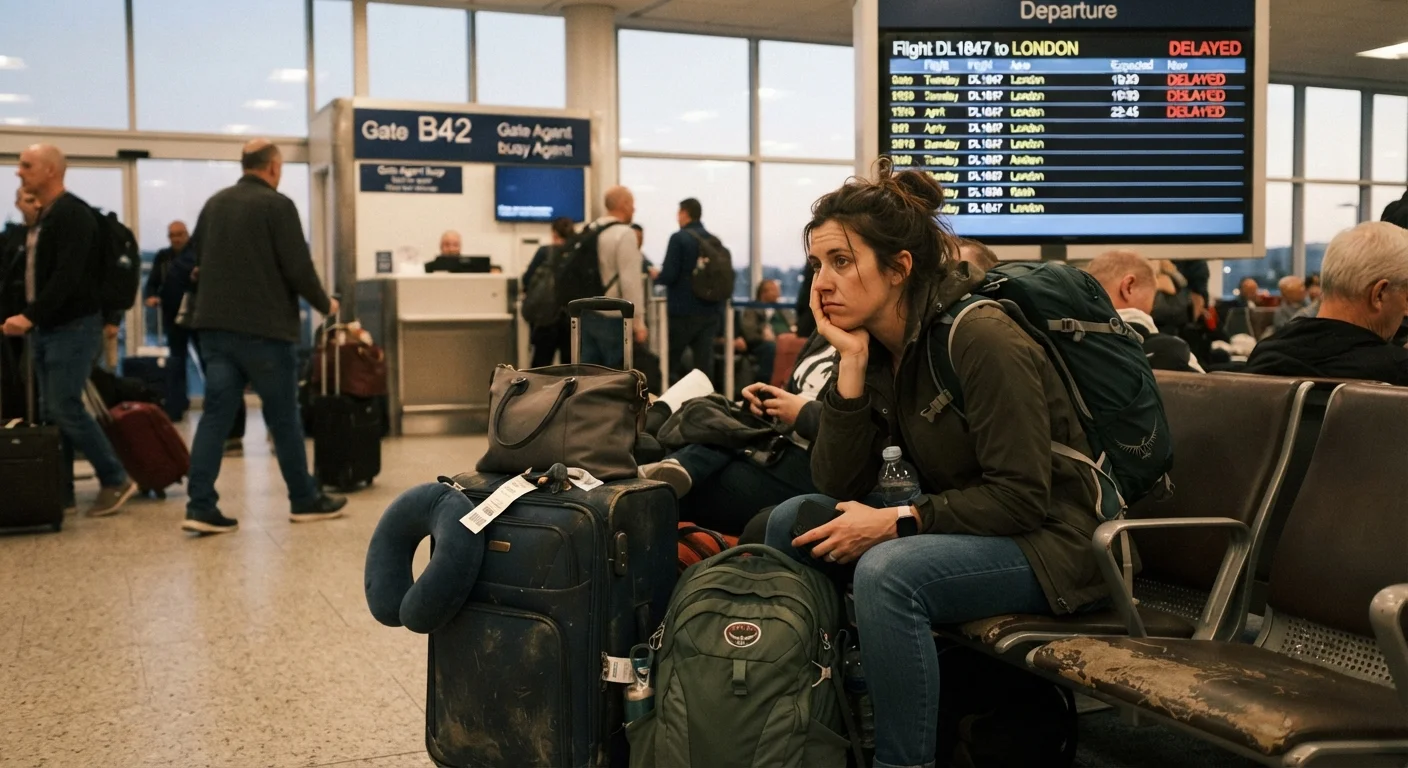
The U.S. Travel Association has noted that disruptions — from cancellations to lost bookings — affect a significant share of travelers each year, underscoring the value of contingency planning.
Timing isn't just about airfare. It shapes crowd levels at major attractions, restaurant wait times, accommodation availability, and even the emotional atmosphere of a destination. Peak season vs. off-season travel offers a clear framework for evaluating which timing fits your specific priorities. For travelers open to slight flexibility, what shoulder season actually means digs into how to identify the real off-peak window for any destination.
On the budget side, specificity is protection. A vague number in your head won't flag a $35-per-night resort fee or a $60 airport transfer. How travel budgets actually work breaks down the hidden costs that routinely surprise even careful planners — it's one of the most useful pre-booking reads you'll find.
Verify Entry Requirements Before You Book
Passport validity rules, visa requirements, and health documentation can change without much notice. Always check the official U.S. Department of State website and the destination country's embassy site before finalizing any international booking. Assuming your existing passport or past visa history is sufficient is a mistake that strands travelers every year.
Building Plans That Hold Up
Smarter planning isn't about eliminating spontaneity — it's about creating a structure flexible enough to absorb the unexpected without falling apart. That means realistic itineraries, itemized budgets, confirmed entry requirements, and honest conversations with travel companions before anything is booked.
For a practical blueprint on structuring your days once you've handled the logistics, building a trip itinerary that actually works provides a step-by-step approach to balancing sightseeing, rest, and transit time. And if packing is your personal weak spot, why travelers regret overpacking is a quick, actionable read that experienced travelers return to before every trip.
Trips fall apart for predictable reasons. Plan around those reasons, and you dramatically improve the odds that your next adventure goes exactly as hoped — and maybe even better.