

Key Takeaways
Skincare Routine
A skincare routine is a consistent, ordered sequence of topical products applied to cleanse, protect, and support the skin's natural function. The goal isn't transformation — it's maintenance. Done regularly, even a simple routine helps the skin barrier stay intact, reduces environmental damage, and keeps hydration where it belongs.
The skin barrier — primarily the stratum corneum — is the outermost layer that regulates moisture loss and blocks irritants. Most effective skincare works by supporting this barrier rather than bypassing it.
Why Your Skin Needs a Routine at All
Your skin is doing a lot of work around the clock — regulating temperature, blocking pathogens, managing moisture, and repairing daily micro-damage. A skincare routine doesn't replace any of that; it supports it. Think of it less as a beauty ritual and more as basic maintenance, like drinking water or getting sleep.
Without any routine, the skin still functions — but it faces more friction. Pollution, UV radiation, and environmental dryness chip away at the skin barrier over time. A consistent routine gives the skin what it needs to recover and stay resilient. The key word is consistent: sporadic use of even excellent products produces far less benefit than daily use of simple ones.
For a plain-language breakdown of what each product type actually contributes, see our guide to cleansers, toners, serums, and moisturizers.
~28 days
Skin surface renewal cycle
The outermost skin cells turn over approximately every four weeks, which is why most topical routine changes take at least a month to show visible results.
90%
Of visible skin aging attributed to UV
Research published in dermatology literature estimates that the majority of premature skin aging — wrinkles, uneven tone, loss of elasticity — is driven by UV exposure rather than intrinsic aging.
2x
TEWL increase with damaged skin barrier
Studies on transepidermal water loss show that a compromised skin barrier can lose significantly more moisture than intact skin, contributing to dryness and sensitivity.
What Cleansing, Moisturizing, and SPF Are Actually Doing
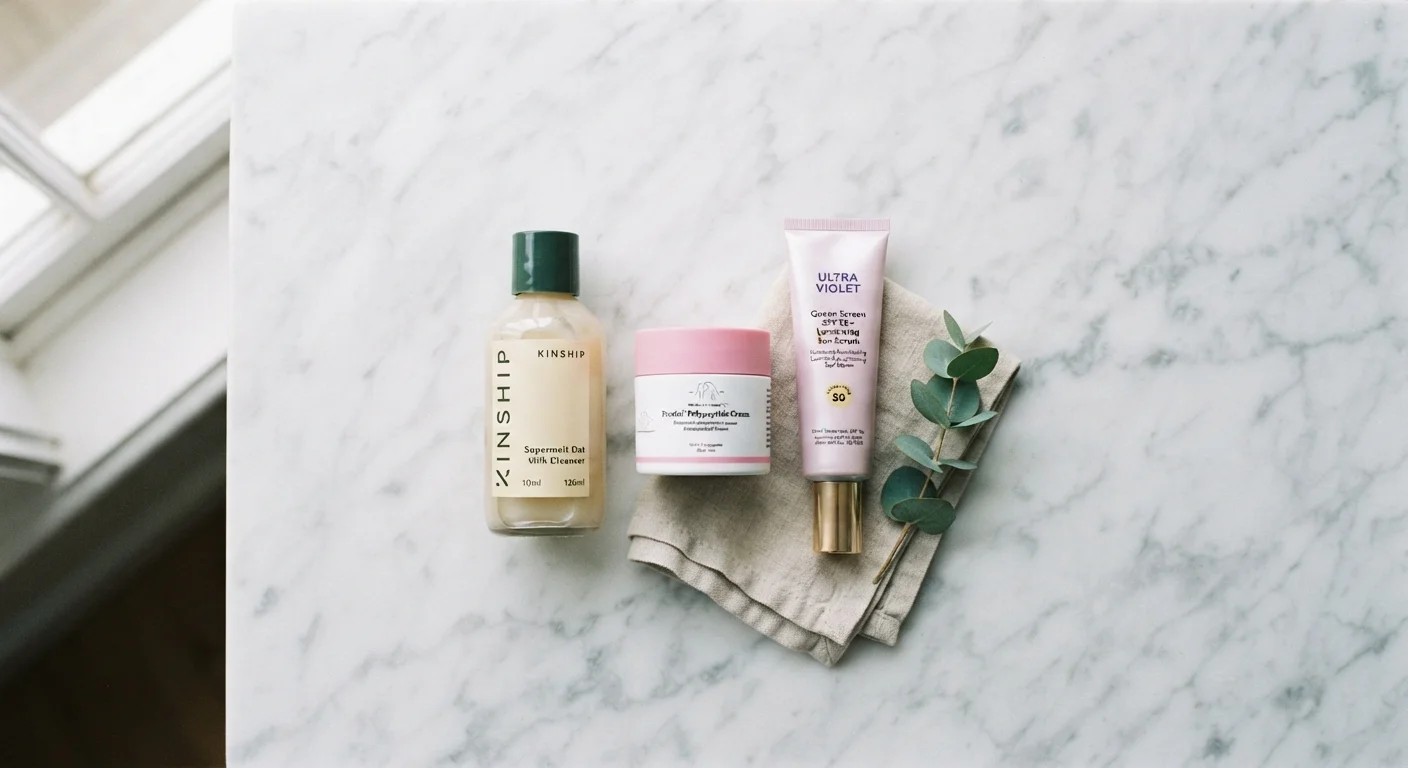
Cleansing removes accumulated sebum, dead skin cells, pollutants, and any makeup or sunscreen from the previous application. The goal is a clean surface — not a stripped one. Over-cleansing or using a formula too harsh for your skin type disrupts the acid mantle, the skin's natural slightly-acidic protective film, which can trigger excess oil production or sensitivity.
Moisturizing serves two functions: it delivers water to the skin (humectants like glycerin draw moisture in) and seals it there (occlusives like petrolatum slow evaporation). When the skin barrier is compromised, water escapes faster — a process called transepidermal water loss (TEWL). A moisturizer physically reinforces that barrier, keeping skin plump and less reactive to irritants.
Sunscreen is the most evidence-backed step in any routine. UV radiation is the primary external driver of premature skin aging, hyperpigmentation, and increased skin cancer risk. Broad-spectrum SPF 30 or higher applied daily — not just on beach days — is consistently recommended by dermatologists as the single highest-impact habit for long-term skin health.
Apply SPF as the Final Morning Step
Sunscreen is designed to sit on the skin's surface, not absorb into it — that's how it filters UV light. Applying it before your moisturizer reduces its effectiveness. In the morning, let your moisturizer fully settle, then apply SPF as the last step before any makeup.
Why Application Order Changes Everything
Product order isn't arbitrary — it's rooted in how skin absorbs different formulations. The skin can only take in so much at a time, and heavier products physically form a film that limits what passes through afterward. Apply in the wrong sequence and you can accidentally block the very ingredient you paid most for.
The general principle: lightest to heaviest. Water-based products (essences, serums, lighter treatments) go on first when the skin surface is clear and receptive. Creams and oils follow to lock in what's underneath. Sunscreen goes on last in the morning — it needs to sit on top of the skin, not be absorbed, to function as a physical or chemical filter.
This is also why layering too many products at once tends to backfire. Over-layering can block absorption, cause irritation, and make it harder to identify what's working — a common trap when building a new routine.
Building a Routine That Actually Sticks
The most effective skincare routine is the one you'll actually do every day. A three-step sequence — cleanser, moisturizer, SPF in the morning — done reliably will outperform a complex ten-step regimen done twice a week. Start there. Add steps only if you have a specific skin concern and a clear reason for adding them.
If you're starting from scratch, our first skincare routine guide walks through exactly what to prioritize and what you can skip. And if you're curious about what ingredient labels are actually telling you, reading a skincare ingredient label is a practical next step.
One overlooked factor: the products that touch your skin don't work in isolation from the tools you use. Makeup hygiene habits — like cleaning applicators regularly — matter more than most people realize when maintaining overall skin health.
“Sunscreen is the closest thing we have to a fountain of youth. It is the single most important anti-aging product you can use.”
— Henry W. Lim, Past President, American Academy of Dermatology
This article is for general informational purposes only and is not medical or dermatological advice. For concerns about your skin health, consult a qualified dermatologist or healthcare provider.