

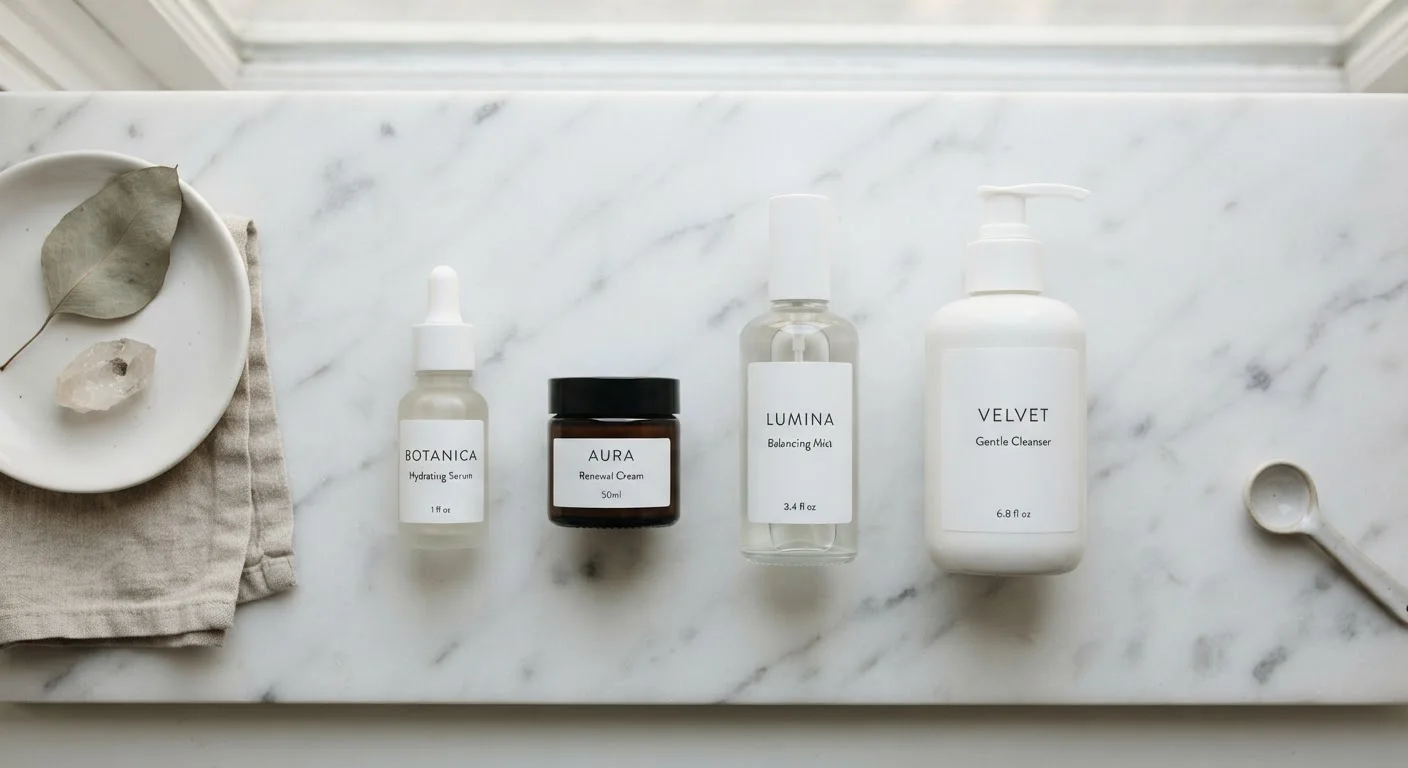
| Step 1 | Cleanser — removes debris, oils, and residue |
| Step 2 | Toner — optional; function depends on formula type |
| Step 3 | Serum — delivers concentrated active ingredients |
| Step 4 | Moisturizer — hydrates and seals in moisture |
| Truly Non-Negotiable Steps | Cleanser + Moisturizer (+ SPF in the morning) (General dermatology guidance) |
| Ideal Cleanser pH Range | Approximately 4.5–6.5 for minimal barrier disruption (Dermatology literature, general consensus) |
The Four Core Steps at a Glance
Walk down any beauty aisle and the sheer volume of bottles is enough to make anyone's head spin. But beneath the marketing, most routines boil down to four functional categories: cleanser, toner, serum, and moisturizer. Each one has a distinct job. Understanding those jobs — rather than just following a prescribed order — is what lets you build a routine that actually works for your skin.
| Step 1 | Cleanser — removes debris, oils, and residue |
| Step 2 | Toner — optional; function depends on formula type |
| Step 3 | Serum — delivers concentrated active ingredients |
| Step 4 | Moisturizer — hydrates and seals in moisture |
| Truly Non-Negotiable Steps | Cleanser + Moisturizer (+ SPF in the morning) (General dermatology guidance) |
| Ideal Cleanser pH Range | Approximately 4.5–6.5 for minimal barrier disruption (Dermatology literature, general consensus) |
One important note before diving in: the "right" routine is deeply individual. Skin type, climate, age, and existing concerns all shape what you genuinely need. This article covers general, educational information — not personalized skincare advice. When in doubt about a specific skin condition, a dermatologist is your best resource.
Cleanser: Your Non-Negotiable First Step
A cleanser removes surface debris — makeup residue, excess sebum (the skin's natural oil), environmental pollutants, and dead skin cells that accumulate throughout the day. Without this step, anything you apply afterward sits on top of that buildup rather than reaching skin effectively.
Cleansers come in several forms — gels, creams, foams, balms, and micellar waters — and formulation matters more than people often realize. Harsh, high-pH cleansers can disrupt the skin's acid mantle, a thin protective barrier that keeps moisture in and irritants out. Gentler, pH-balanced options (typically around 4.5–6.5) tend to clean effectively without stripping.
Most people cleanse once or twice a day. Those who wear heavy sunscreen or makeup often prefer a two-step approach (oil-based cleanser followed by a water-based one) known as double cleansing. To understand more about why cleansing order matters at a biological level, see what a skincare routine actually does to your skin.
Toner: The Most Misunderstood Step
Toner is genuinely optional — and that's not a cop-out. Historically, toners were astringent formulas designed to remove residual alkaline soap from skin and tighten pores. Most modern cleansers don't leave that residue, so the original rationale has largely disappeared.
Today's toners have evolved into a loose category that includes hydrating essence-style products (common in Korean skincare), exfoliating toners containing AHAs or BHAs, and balancing formulas with soothing botanicals. Their value depends entirely on what the formula actually contains. An exfoliating toner with glycolic acid, for example, serves a very different purpose than a simple rose water spritz. If you're curious about how chemical exfoliants in toners differ from physical scrubs, this breakdown of chemical exfoliants vs. physical scrubs is worth a read.
Bottom line: If your toner is doing something specific and useful for your skin concerns, keep it. If you're using it out of habit and couldn't describe what it does, it's a reasonable step to skip.
Not All Toners Are Created Equal
Because "toner" is a category label rather than a defined formulation, two products both called toners can have almost nothing in common chemically. Before adding one to your routine, check the ingredient list to understand what it's actually designed to do. An exfoliating toner used daily can cause irritation for sensitive skin types, while a simple hydrating toner is unlikely to cause harm but may also add little benefit if you follow up with a serum and moisturizer.
Serum: Where Targeted Ingredients Live
Serums are concentrated formulas designed to deliver specific active ingredients — vitamin C, hyaluronic acid, niacinamide, retinol, and peptides are common examples. They typically have a lighter, faster-absorbing texture than moisturizers, which allows ingredients to penetrate more readily into the upper layers of skin.
Serums are the most ingredient-driven product in a routine, which makes them the step where reading ingredient labels pays off most. The active ingredient's concentration, its supporting ingredients, and the formula's pH all influence how effective (or irritating) a serum will be.
A word of caution: more serums don't mean better results. Layering multiple actives can cause irritation and make it nearly impossible to identify what's helping or hurting. For a deeper look at why, see why layering too many products often backfires. One well-chosen serum addressing your primary concern is a smarter starting point than a stack of five.
Moisturizer: Locking It All In
Moisturizers serve two primary functions: they add water-binding ingredients (humectants like glycerin or hyaluronic acid) to the skin, and they form an occlusive or emollient barrier that slows transepidermal water loss — the process by which moisture evaporates from skin into the air.
Even oily skin types generally benefit from moisturizer, because the skin's natural oil (sebum) and skin hydration are not the same thing. An oily complexion can still be dehydrated. Lighter, gel-based formulas tend to suit oilier skin; richer creams work better for dry or mature skin types.
Moisturizer is typically the last step before sunscreen in a morning routine — and SPF, while not covered here, is widely regarded by dermatologists as the single most impactful daily skincare step for long-term skin health. If you're building your routine from the ground up, building your first skincare routine from scratch offers a practical no-overwhelm framework.
Acid Mantle
A thin, slightly acidic film on the skin's surface formed by sebum and sweat. It acts as a protective barrier against bacteria and environmental irritants. Harsh cleansers can disrupt it, leading to dryness or sensitivity.
Humectant
An ingredient that draws moisture from the environment or deeper skin layers into the upper layers of skin. Common humectants include glycerin, hyaluronic acid, and aloe vera.
Transepidermal Water Loss (TEWL)
The process by which water evaporates through the skin into the surrounding air. Occlusives and emollients in moisturizers help slow TEWL, keeping skin better hydrated.
Active Ingredient
A component in a skincare formula that is intended to produce a specific, measurable effect on the skin — such as vitamin C for brightening or retinol for cell turnover. Actives differ from base or filler ingredients.
Double Cleansing
A two-step cleansing method that uses an oil-based cleanser first to break down sunscreen and makeup, followed by a water-based cleanser to remove residual debris. Commonly associated with Korean skincare routines.
Occlusive
An ingredient that creates a physical barrier on skin's surface to seal in moisture and prevent water loss. Examples include petrolatum, dimethicone, and certain plant waxes.
This article is for general informational purposes only and does not constitute medical or dermatological advice. Consult a qualified dermatologist for guidance specific to your skin type or concerns.